



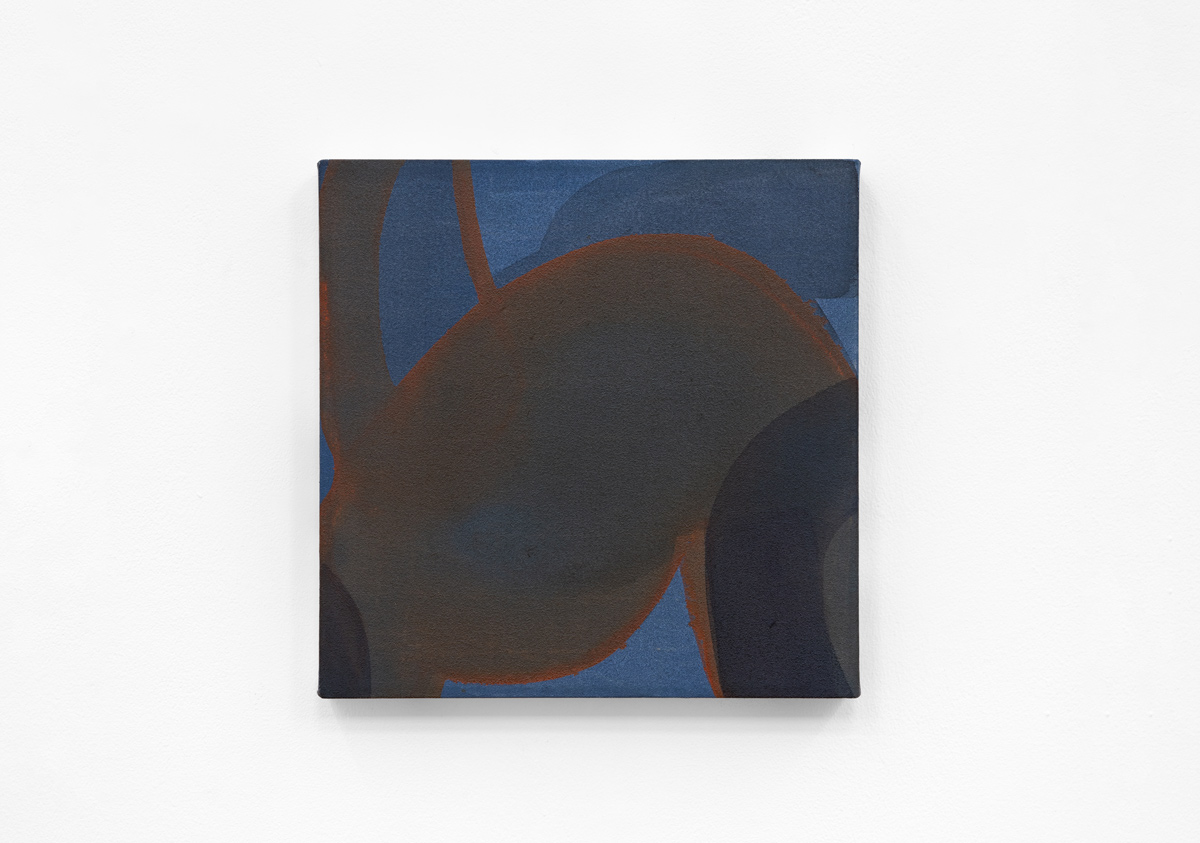
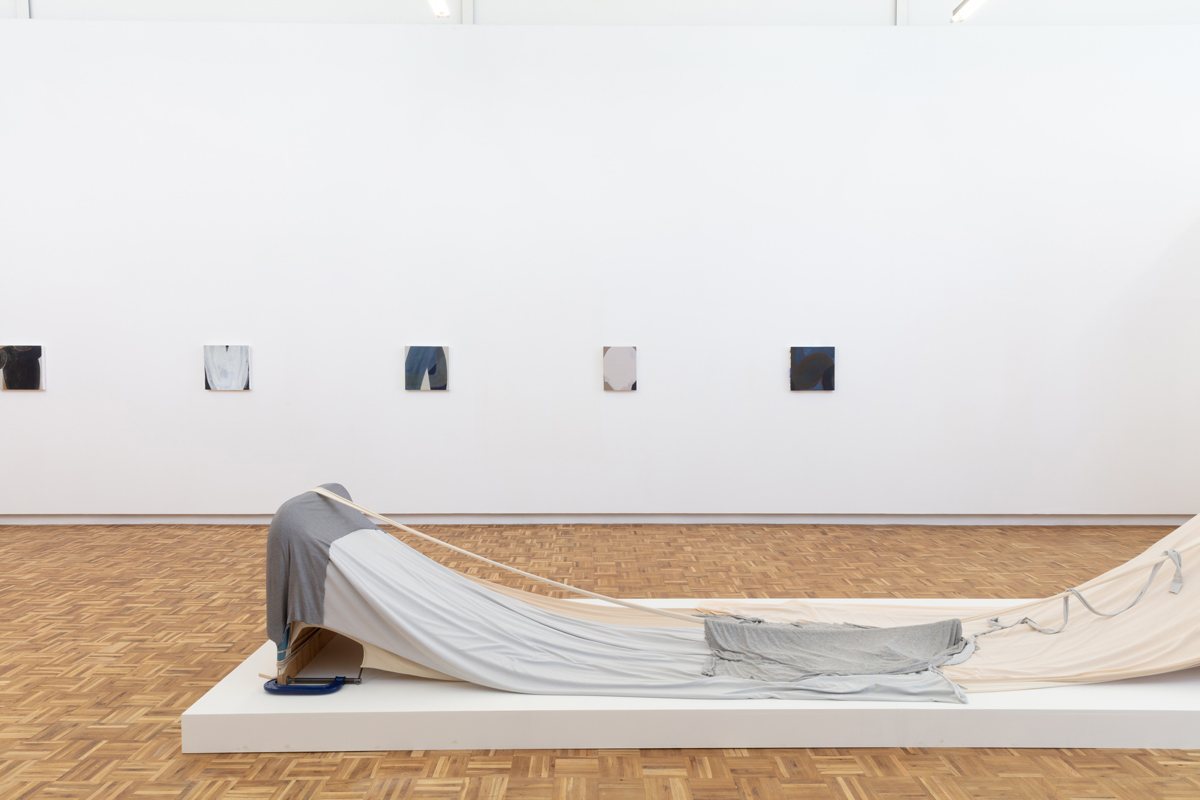
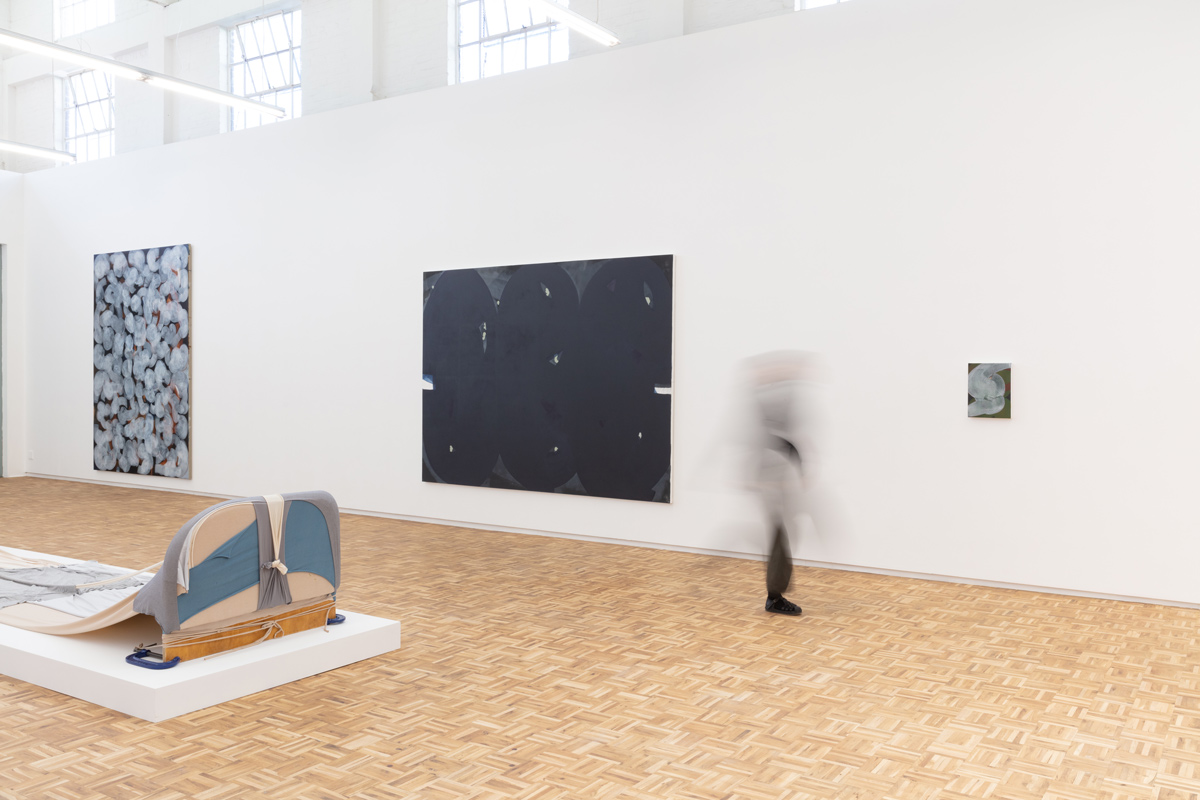
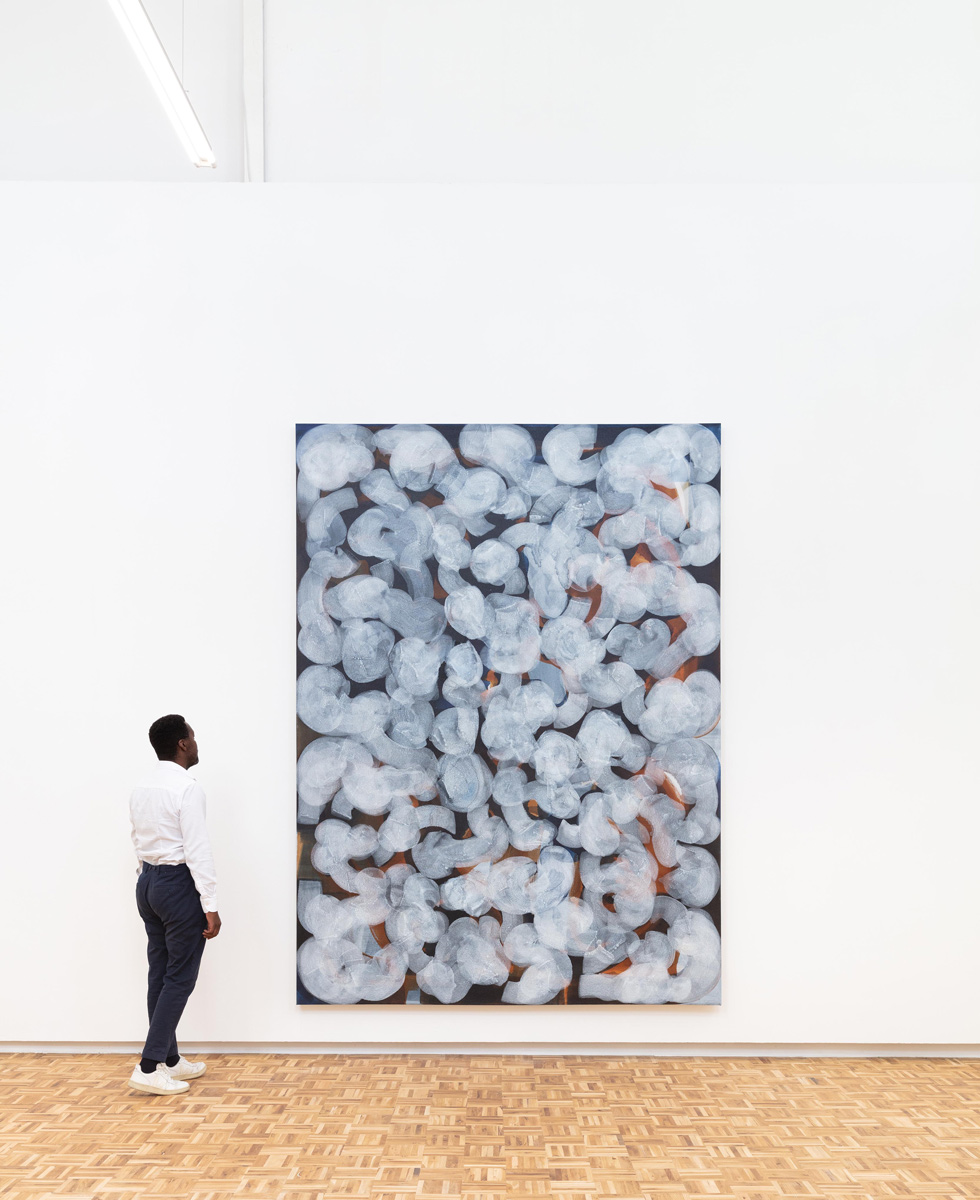
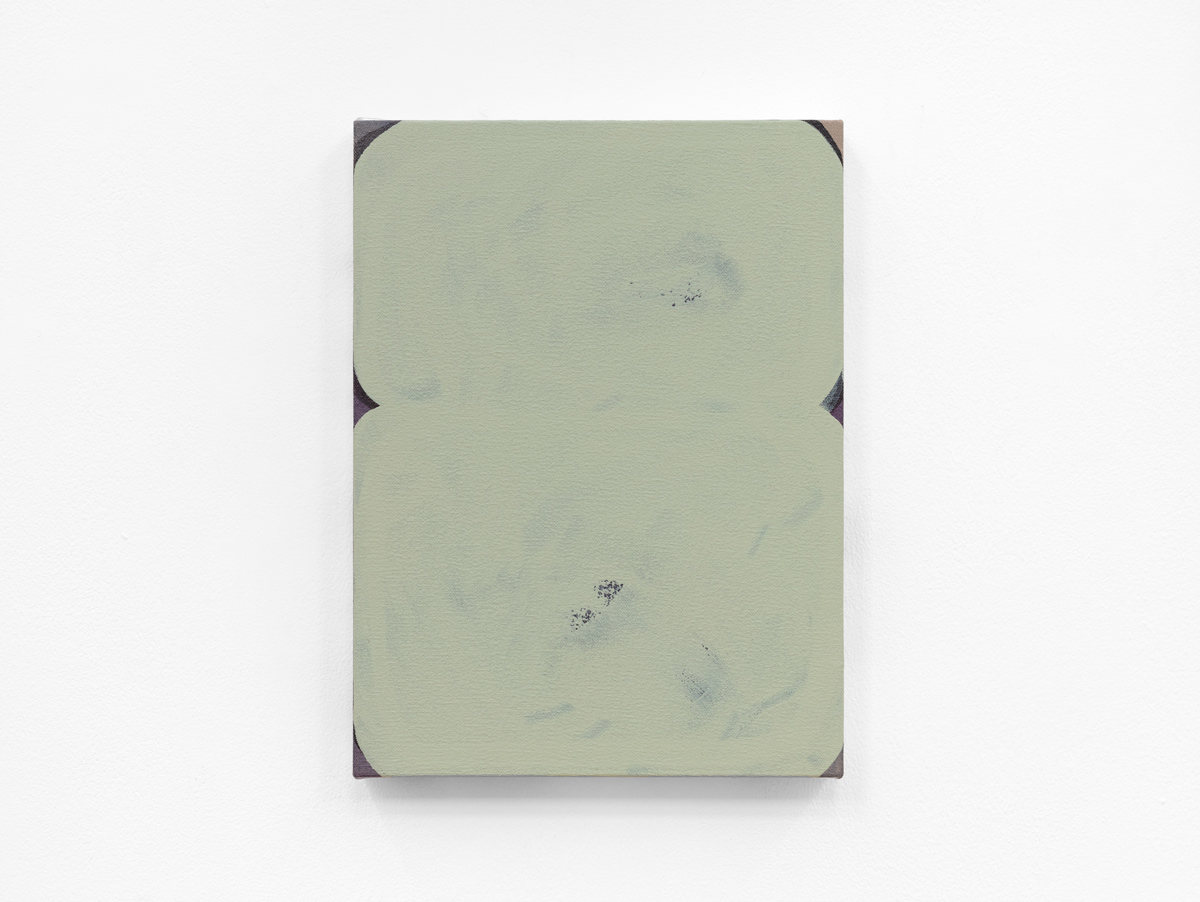
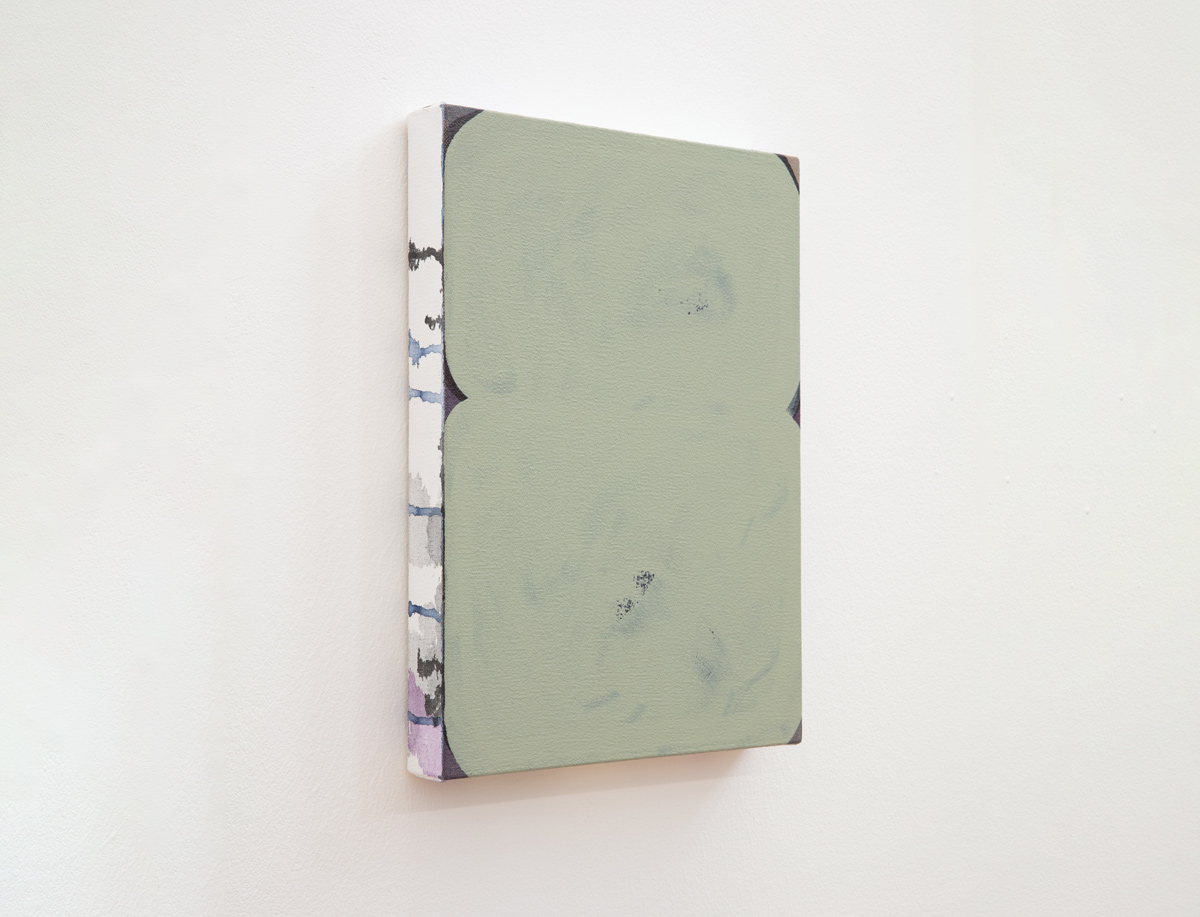
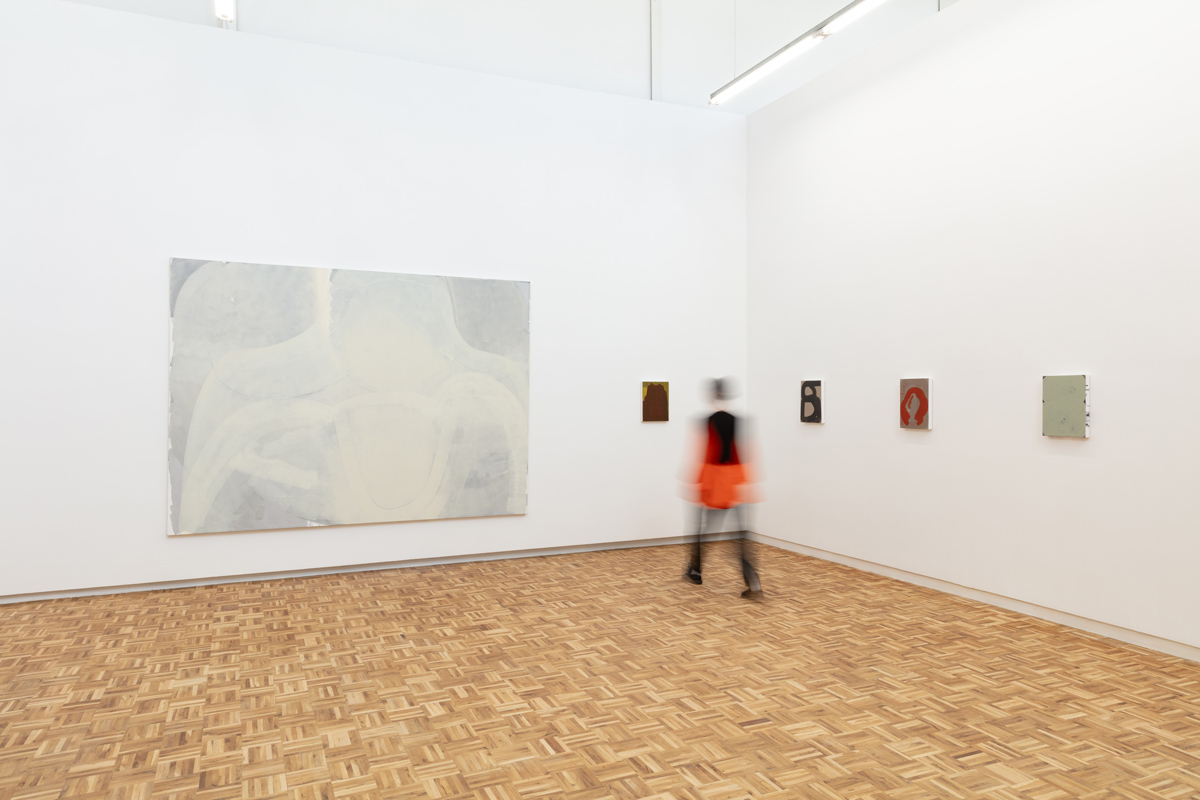
blank projects presents Mallarmé’s Pillow, Gerda Scheepers’ sixth solo exhibition with the gallery. The exhibition’s title, itself an unlikely and intriguing associative merge, invokes the French symbolist poet Mallarmé’s understanding of meaning as emerging through the relation between form, content and language, an approach that resonates with Scheepers’ treatment of painting as a medium to be both constructed and read: an evolving process through which she continually holds the boundaries between abstraction and pictorial representation in tension. Across the exhibition, abstraction remains tethered to the world of things, while the image is kept fragmentary, shaped and contained within the picture plane. A visual syntax emerges across the compositions, forming a constellation of relations in which forms feel at once finite and open-ended.
The exhibition will culminate with the publication of a new book focussing on the artist’s recent practice, accompanied by a text from Owen Martin, Senior Curator at Astrup Fearnley Museet, Oslo, and curator of Space Making (2025) at the same museum.
The exhibition will culminate with the publication of a new book focussing on the artist’s recent practice, accompanied by a text from Owen Martin, Senior Curator at Astrup Fearnley Museet, Oslo, and curator of Space Making (2025) at the same museum.






“This strange feeling of presence, made up of certainty and instability, scintillates at the edge of appearance while remaining more certain than any other visible thing."
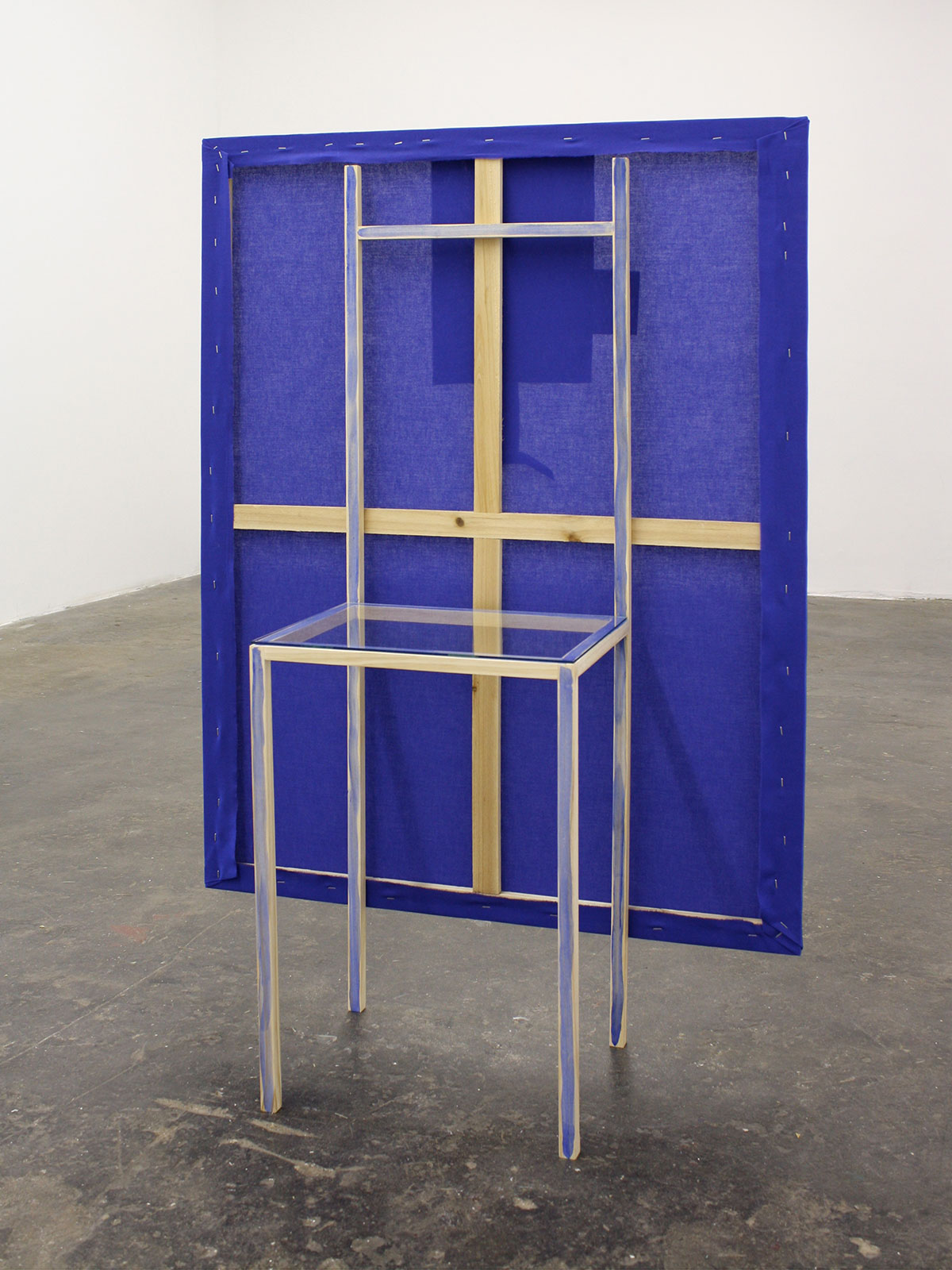
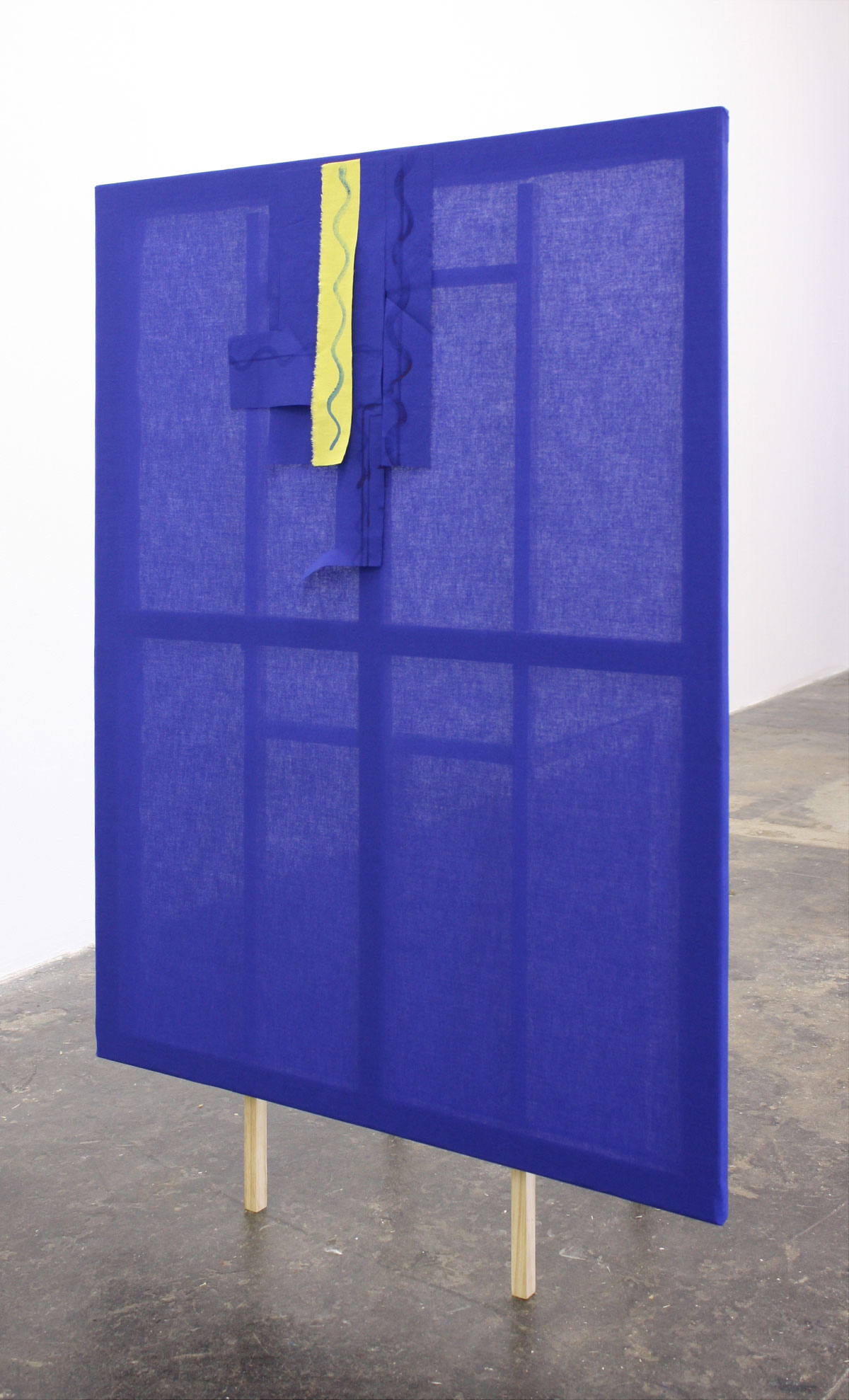
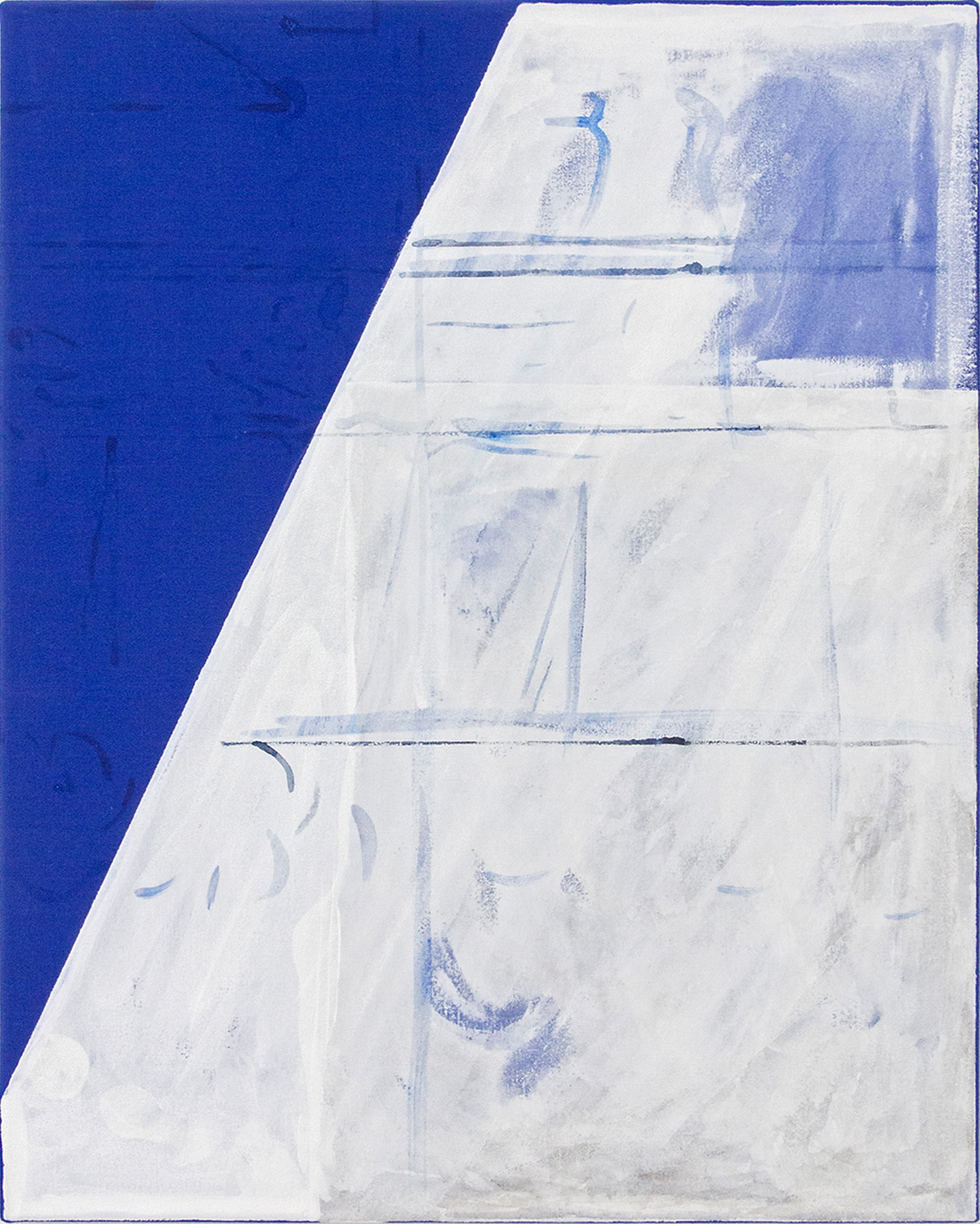
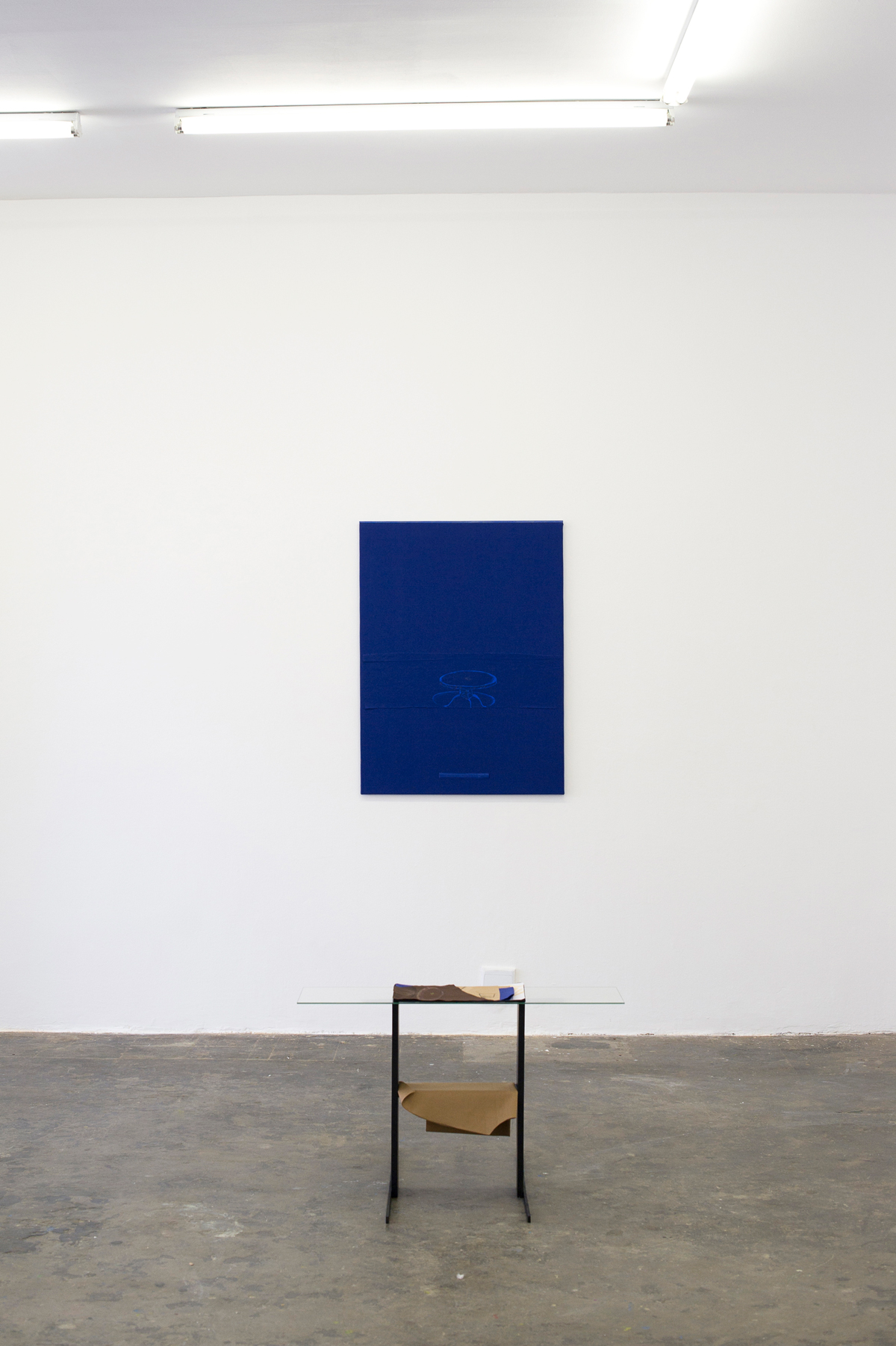
Gerda Scheepers destroys things; and renders them new meanings. She dismembers then reconstitutes things into new forms that are constantly undergoing this same process of construction and deconstruction without aspiring finality - while simultaneously finding an unlikely state of (head)rest in composition. This fluidity is evident in works like Shelf for a Symptom, completed in 2019, in which the viewer is presented with a shelf that by all accounts, although shaped like a shelf, is not a shelf in any substantial, meaningful way. In this work a shelf is merely an idea, a gesture towards or away from that which shelves. Not only is it a piece of furniture, but a shelf is that which helps us compartmentalise the entirety of our lives. That which shelves separates the emotional from the physical, the real from the illusion, the church from the state, our most profound thoughts from the noise that rattles inside our psyches. That which shelves helps us put uncomfortable feelings away: feelings of trauma, hurt, loss, grief. These are just some of the ways in which a shelf loses its stability and certainty as a piece of furniture and begins to take on more transcendent qualities. And the Shelf for a Symptom is the physical rendition of this fluidity of form, but through fabric that can’t hold anything but itself or its own properties. In this way, the artist frees us from our conceptual prisons. In Platonic terms, Scheepers turns us away from the shadows projected on the walls of our caves and forces us to look directly at the source of this liquid light, which is unfathomable and uncontainable.
![]()
Gerda Scheepers, Shelf for a Symptom (blue) (2018)
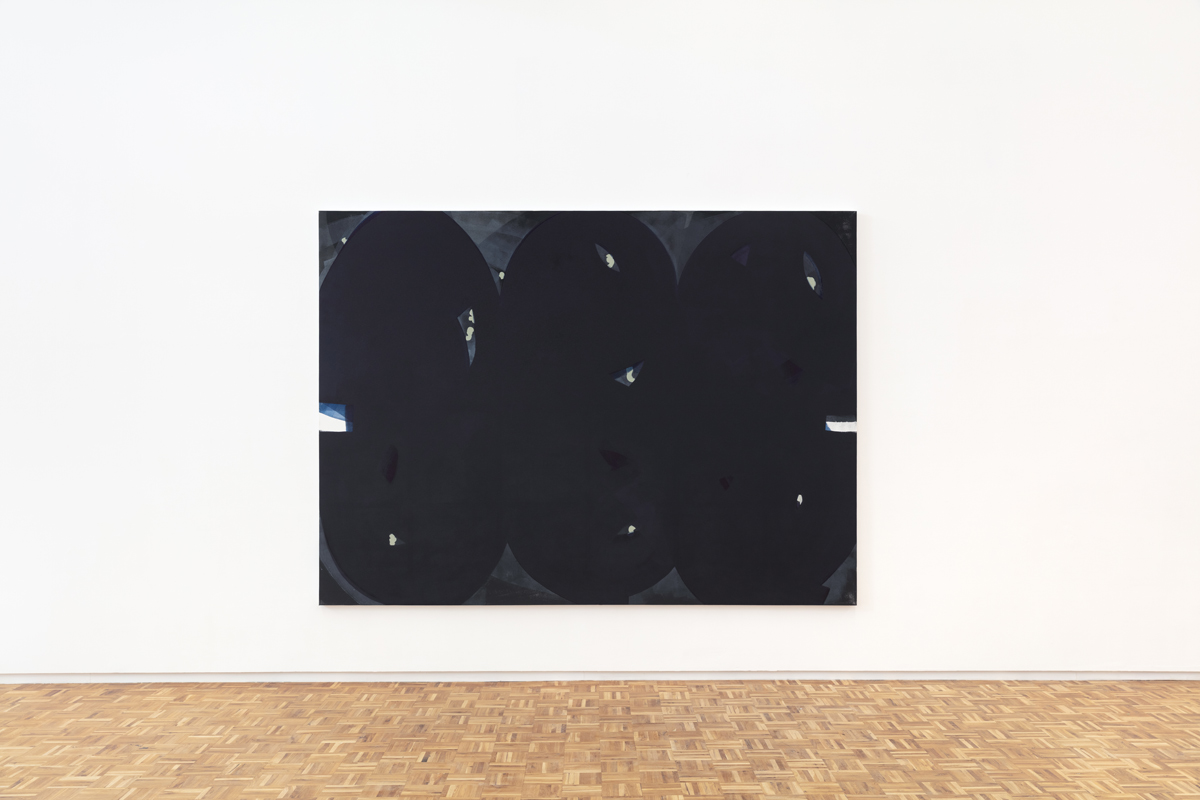
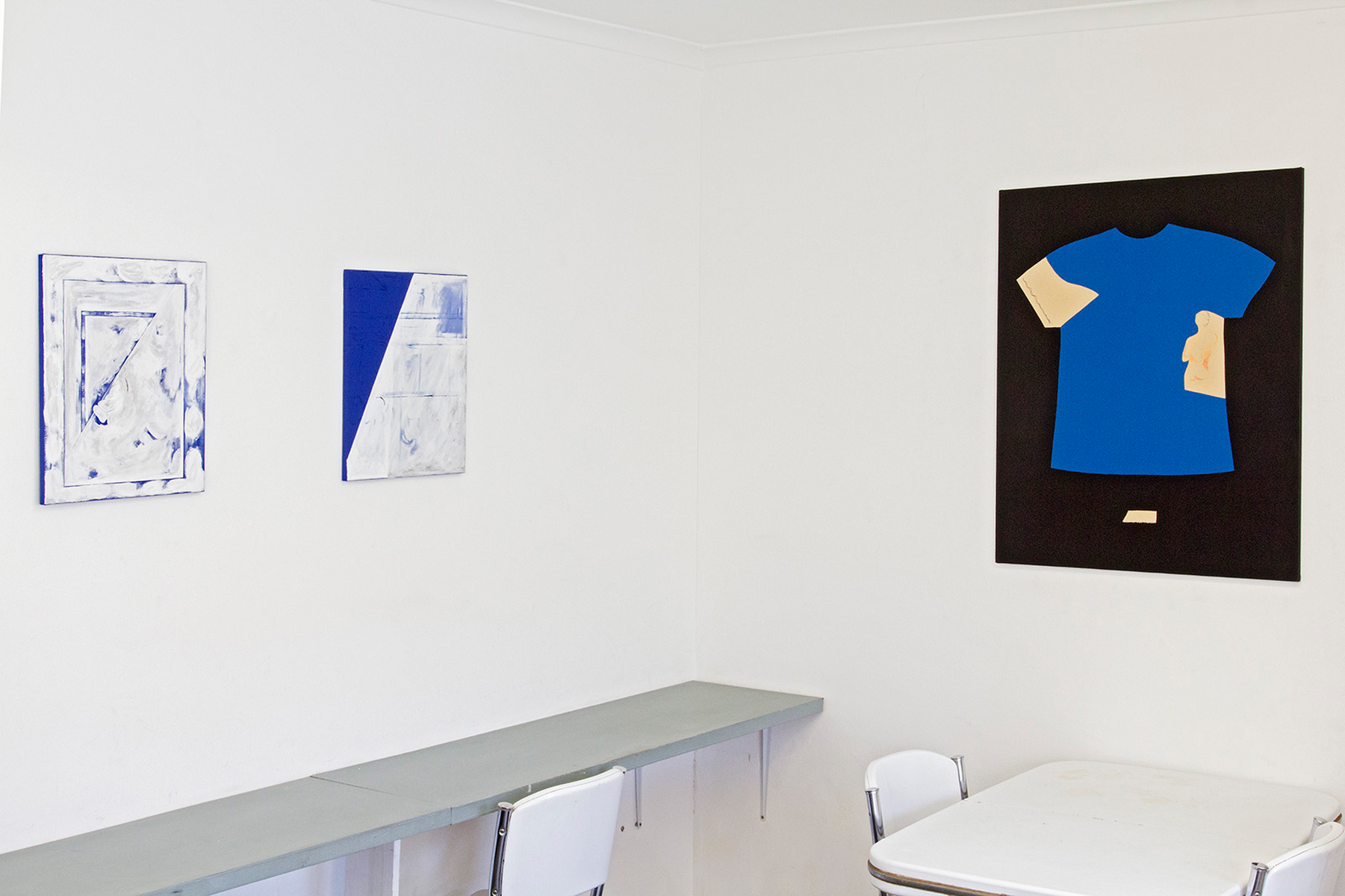
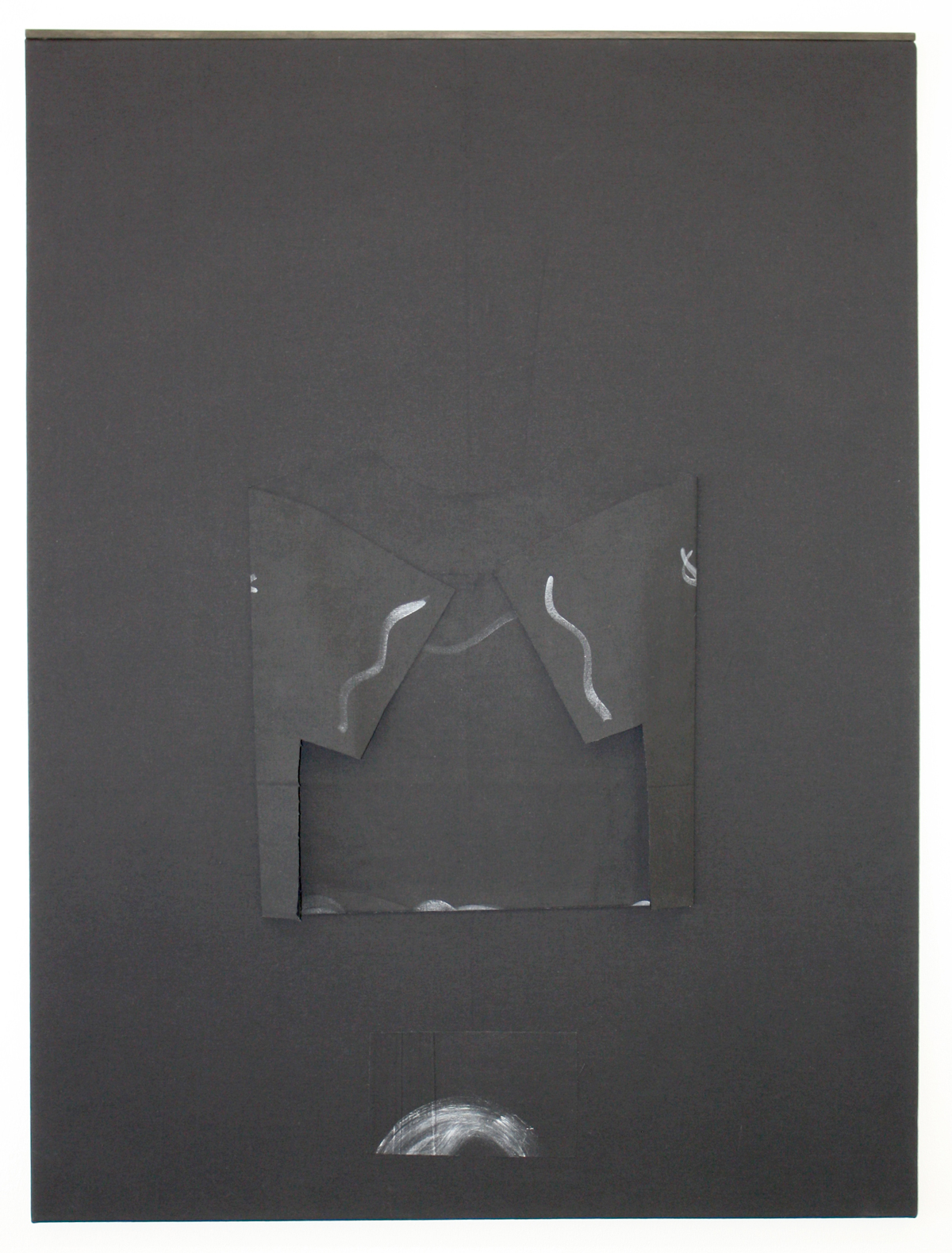
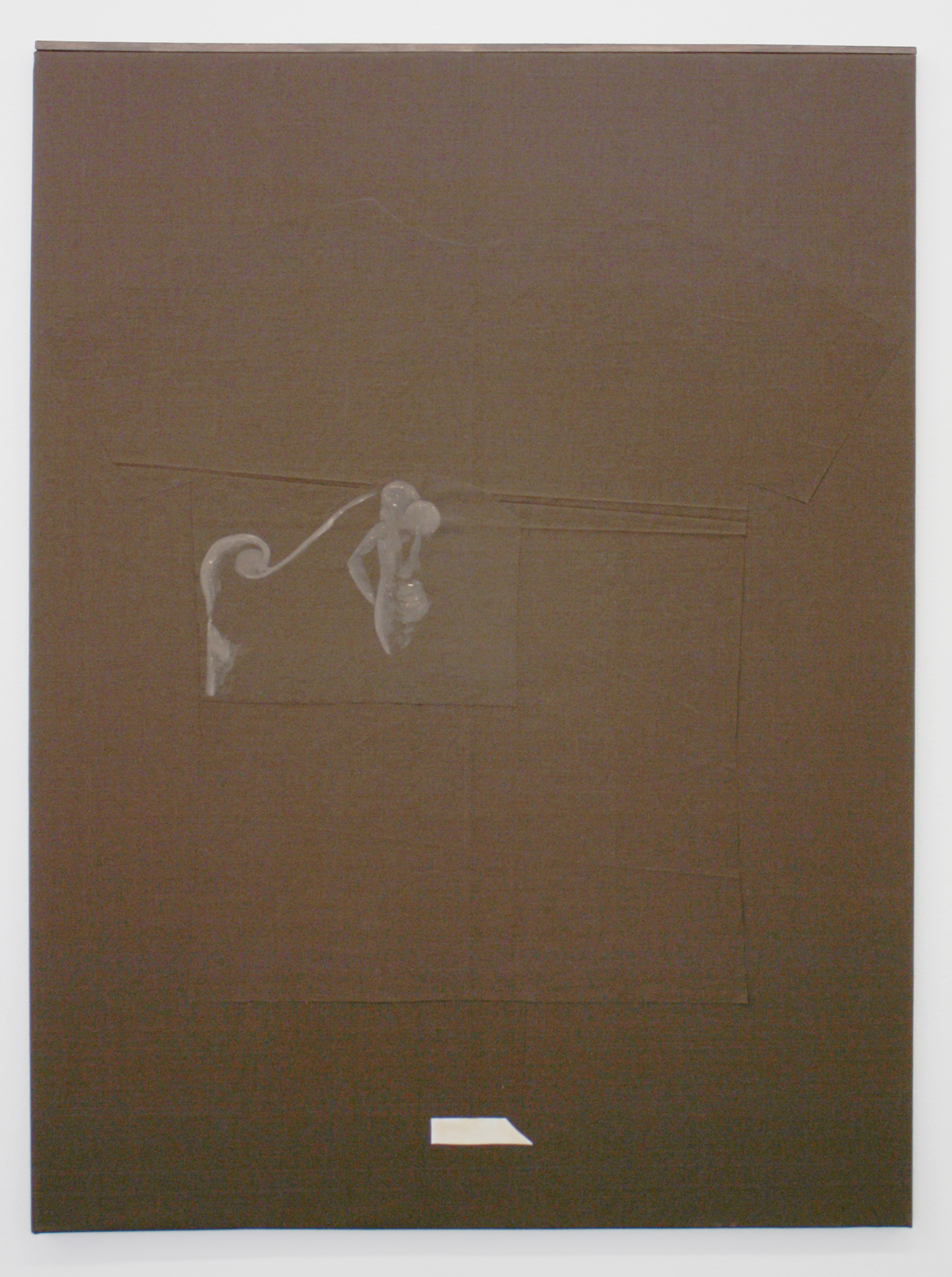
Now think of MOTHER. Think of BROTHER. Think of ROOF, of CLOUDS, of GAZA, of GOD and think of HEADREST. These are just some of the works on show and each painting, as though it were a note along a keyboard or an instrument in an orchestra, plays along this logic of fluidity and instability as a struggle to find new ways of seeing the world that is before us. MOTHER is the principle of creativity. It is MOTHER who has the fecundity and the capability to birth new forms and new structures that both liberate and imprison us. Some say masculinity flows from the Great Mother as an aspect of herself and is recalled and cancelled by her at will… there’s no going beyond her. Motherhood blankets existence. This play or tension between MOTHER and BROTHER is found in the works on show. MOTHER overwhelms in her bulging brushstrokes, and BROTHER excludes and reduces in order to achieve a clarity of imagery and appearance. In art historical terms this clarity is born out of the Apollonian impulse – the masculine impulse that necessitates certain exclusions and reductions so that the work can achieve a glittering chastity of form. Like Apollo and Dionysus, MOTHER and BROTHER are kindred spirits and counterparts whose creative tension is the process that gives birth to the harmony that appears on the surface of these paintings. But beyond this harmony of brush stroke, form, colour, and layers of paint, exists another plane of interpretations that is introduced to us by the strange feeling of presence in almost all of these works. This feeling is present in Tie Back, as that eye that is defined by the negative space where the hair doesn’t meet. It is in the dour smiling faces that appear in ROOF, it is in the X-rayed COPYSHOP GOD. In MOTHER BROTHER GAZA it appears in the six, bulging rings or discs or dark clouds that seem to be in the process of expanding or exploding in perfect, plastic form with the six grey marks of paint turned to us as if they were eyes, as if the painting had achieved a kind of self-consciousness and was assessing our own moral character as we look at the work.
Lwandile Fikeni is a writer, creative director and art critic.
Exhibition press:
Shinners, K. Lump in the bed: Gerda Scheepers’ ‘MOTHER BROTHER’. Artthrob (online) [published 26 April 2024]
Maurice Blanchot
Gerda Scheepers destroys things; and renders them new meanings. She dismembers then reconstitutes things into new forms that are constantly undergoing this same process of construction and deconstruction without aspiring finality - while simultaneously finding an unlikely state of (head)rest in composition. This fluidity is evident in works like Shelf for a Symptom, completed in 2019, in which the viewer is presented with a shelf that by all accounts, although shaped like a shelf, is not a shelf in any substantial, meaningful way. In this work a shelf is merely an idea, a gesture towards or away from that which shelves. Not only is it a piece of furniture, but a shelf is that which helps us compartmentalise the entirety of our lives. That which shelves separates the emotional from the physical, the real from the illusion, the church from the state, our most profound thoughts from the noise that rattles inside our psyches. That which shelves helps us put uncomfortable feelings away: feelings of trauma, hurt, loss, grief. These are just some of the ways in which a shelf loses its stability and certainty as a piece of furniture and begins to take on more transcendent qualities. And the Shelf for a Symptom is the physical rendition of this fluidity of form, but through fabric that can’t hold anything but itself or its own properties. In this way, the artist frees us from our conceptual prisons. In Platonic terms, Scheepers turns us away from the shadows projected on the walls of our caves and forces us to look directly at the source of this liquid light, which is unfathomable and uncontainable.
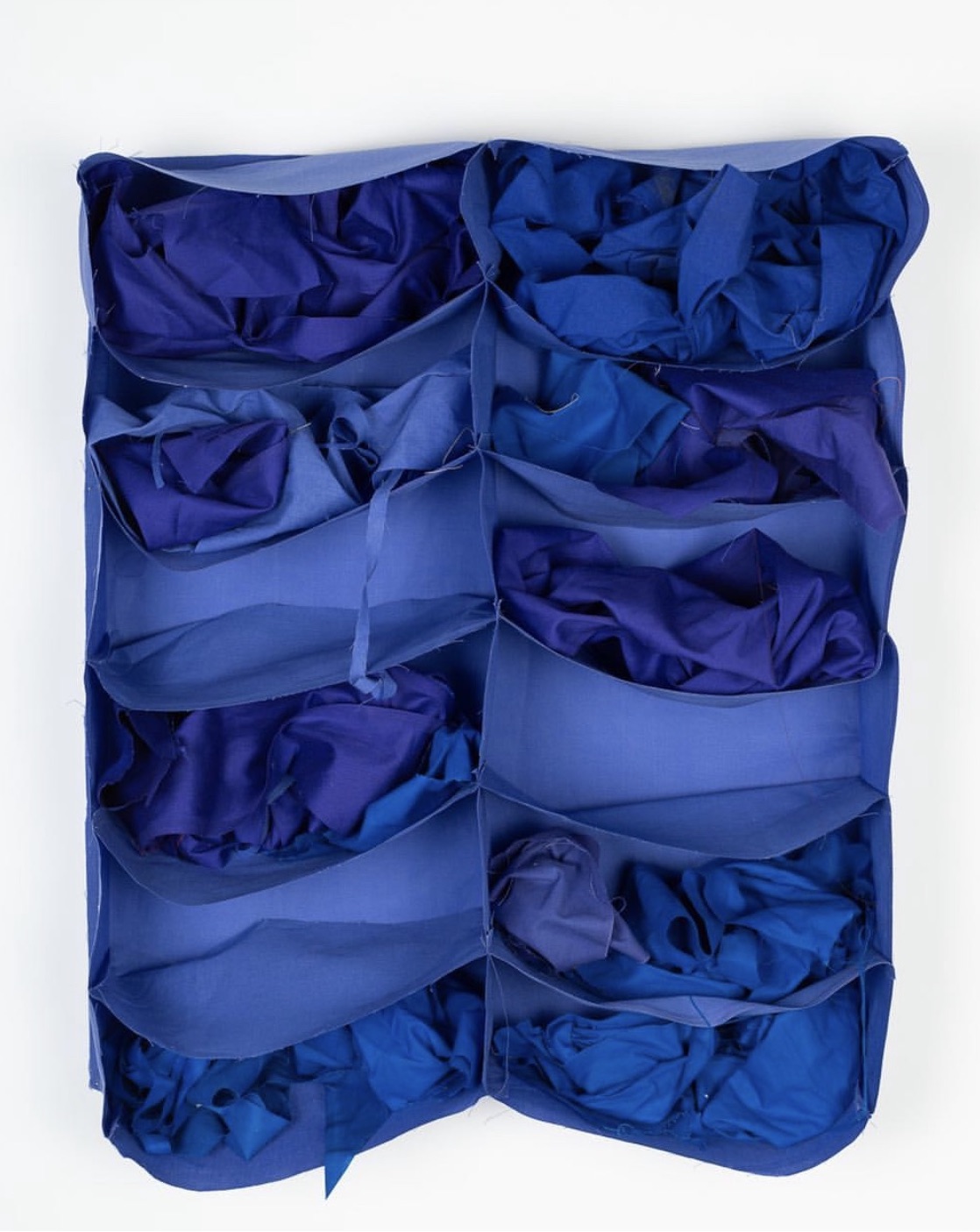
Gerda Scheepers, Shelf for a Symptom (blue) (2018)
Now think of MOTHER. Think of BROTHER. Think of ROOF, of CLOUDS, of GAZA, of GOD and think of HEADREST. These are just some of the works on show and each painting, as though it were a note along a keyboard or an instrument in an orchestra, plays along this logic of fluidity and instability as a struggle to find new ways of seeing the world that is before us. MOTHER is the principle of creativity. It is MOTHER who has the fecundity and the capability to birth new forms and new structures that both liberate and imprison us. Some say masculinity flows from the Great Mother as an aspect of herself and is recalled and cancelled by her at will… there’s no going beyond her. Motherhood blankets existence. This play or tension between MOTHER and BROTHER is found in the works on show. MOTHER overwhelms in her bulging brushstrokes, and BROTHER excludes and reduces in order to achieve a clarity of imagery and appearance. In art historical terms this clarity is born out of the Apollonian impulse – the masculine impulse that necessitates certain exclusions and reductions so that the work can achieve a glittering chastity of form. Like Apollo and Dionysus, MOTHER and BROTHER are kindred spirits and counterparts whose creative tension is the process that gives birth to the harmony that appears on the surface of these paintings. But beyond this harmony of brush stroke, form, colour, and layers of paint, exists another plane of interpretations that is introduced to us by the strange feeling of presence in almost all of these works. This feeling is present in Tie Back, as that eye that is defined by the negative space where the hair doesn’t meet. It is in the dour smiling faces that appear in ROOF, it is in the X-rayed COPYSHOP GOD. In MOTHER BROTHER GAZA it appears in the six, bulging rings or discs or dark clouds that seem to be in the process of expanding or exploding in perfect, plastic form with the six grey marks of paint turned to us as if they were eyes, as if the painting had achieved a kind of self-consciousness and was assessing our own moral character as we look at the work.
Lwandile Fikeni is a writer, creative director and art critic.
Exhibition press:
Shinners, K. Lump in the bed: Gerda Scheepers’ ‘MOTHER BROTHER’. Artthrob (online) [published 26 April 2024]

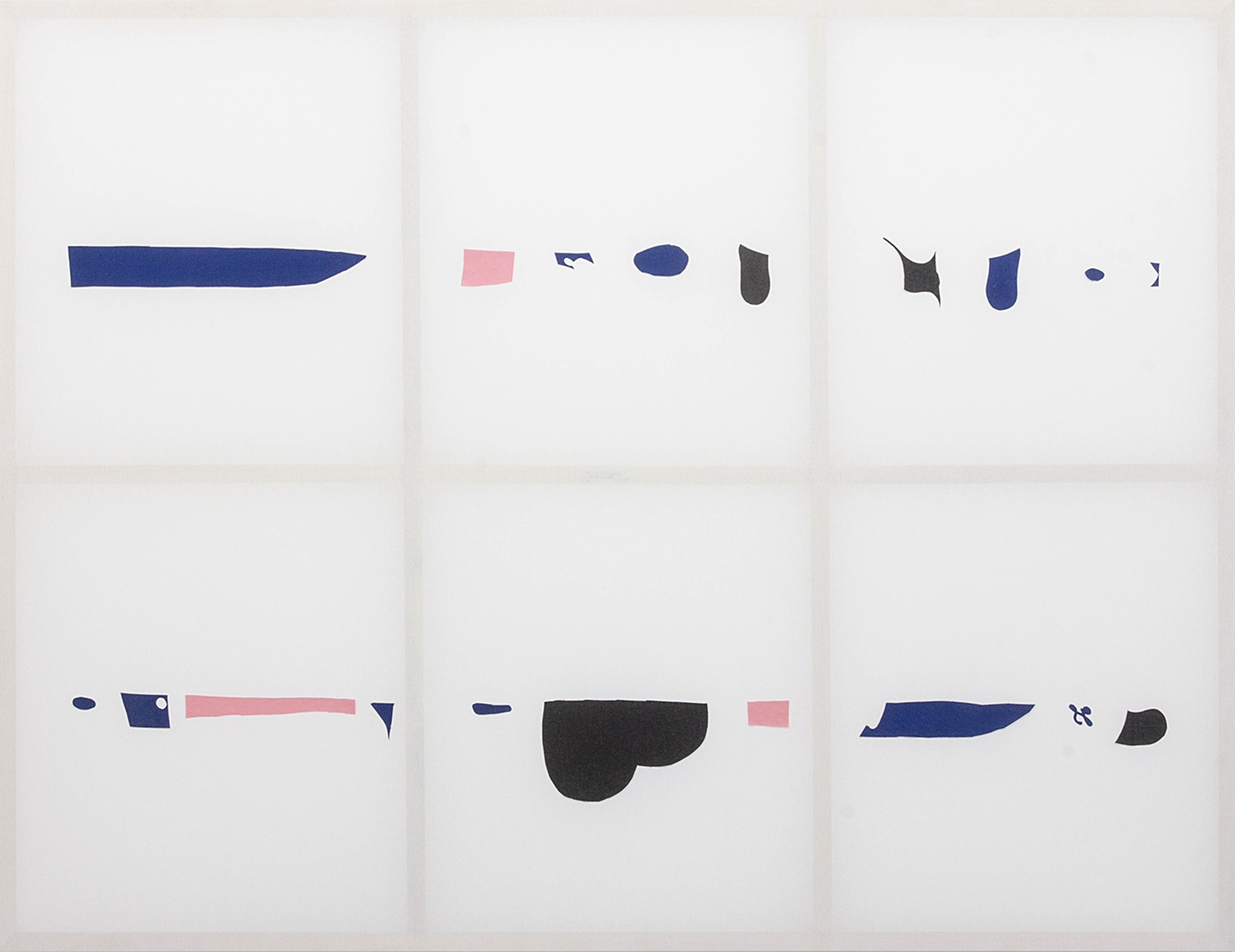


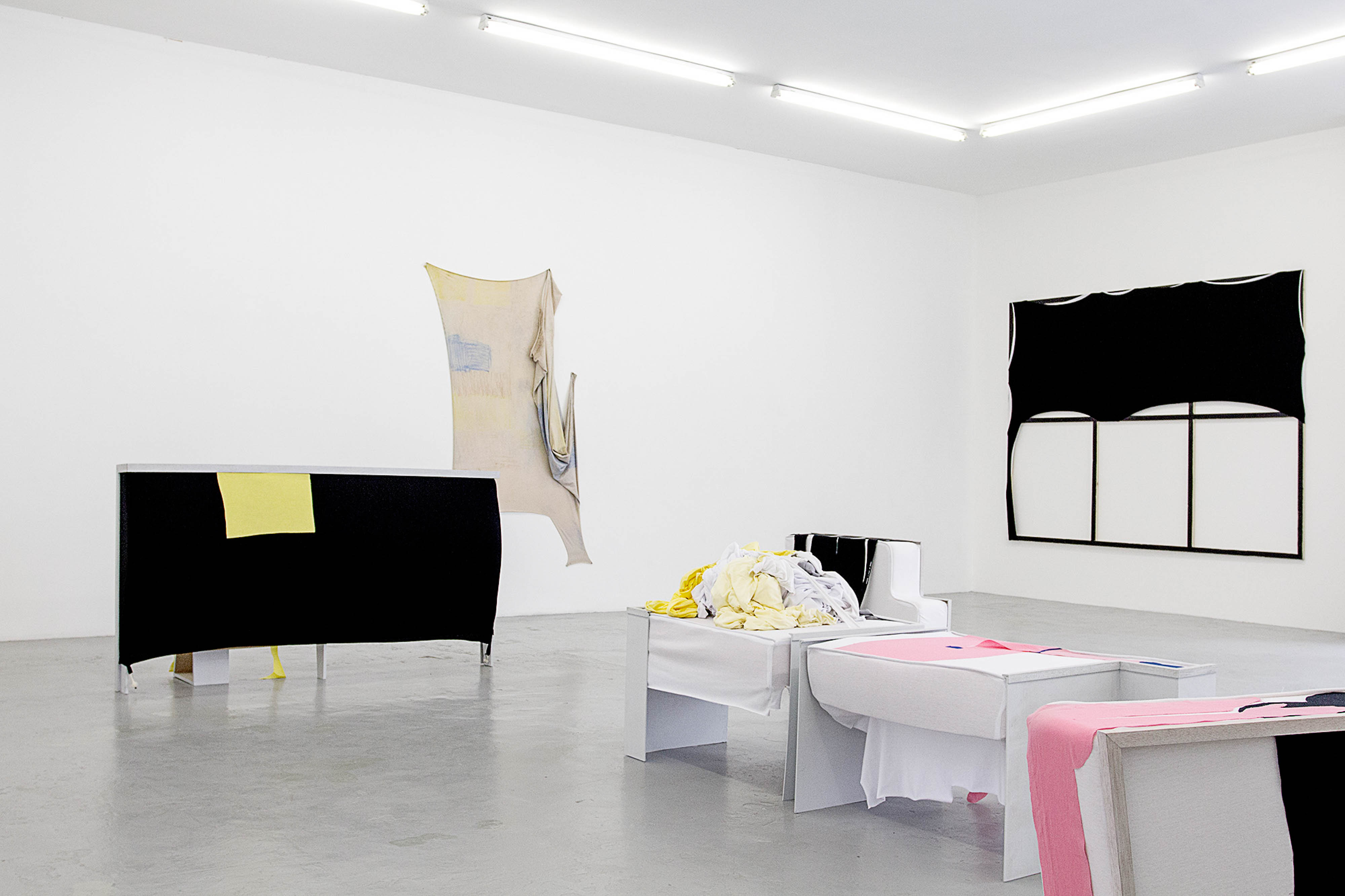

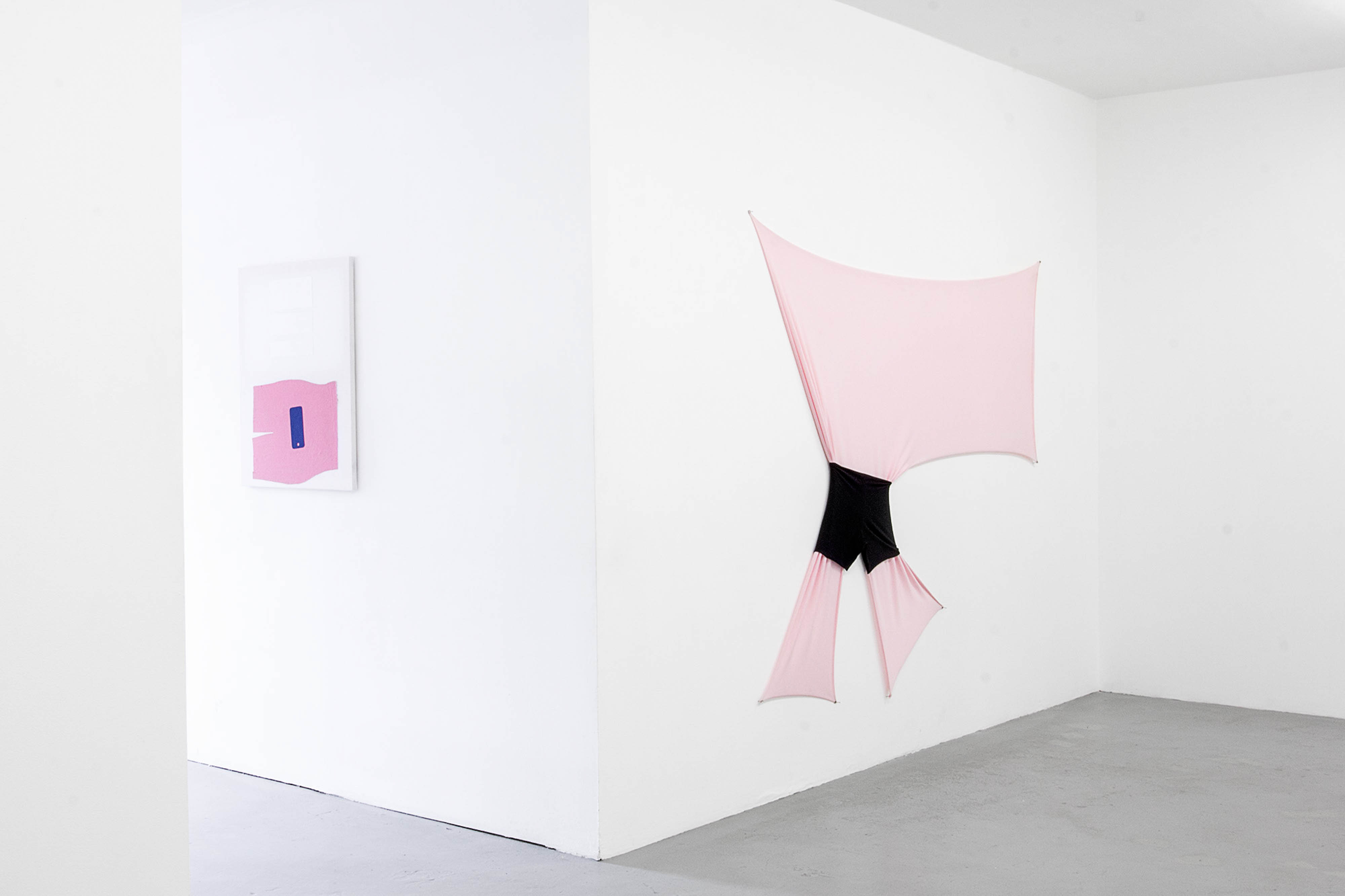


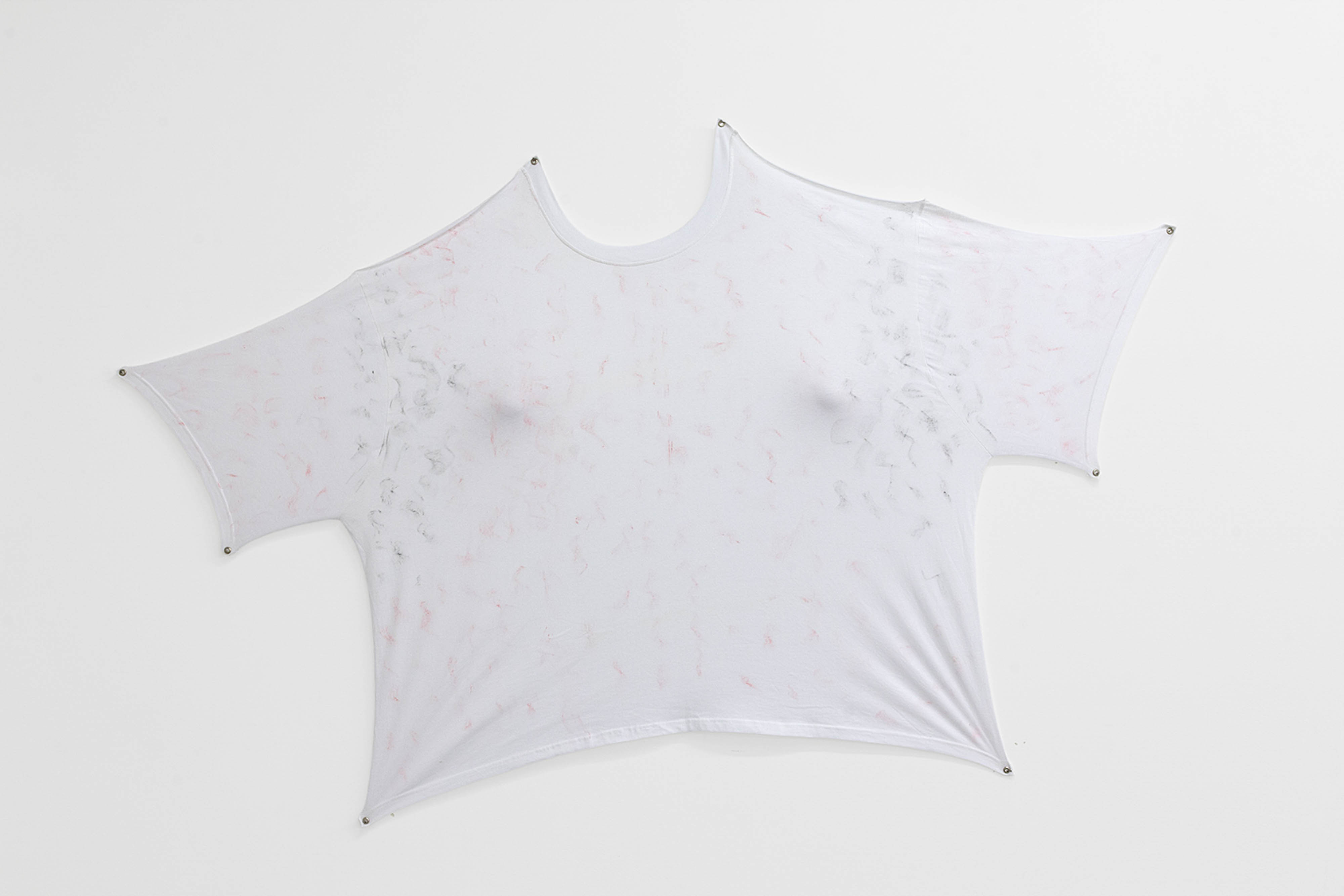
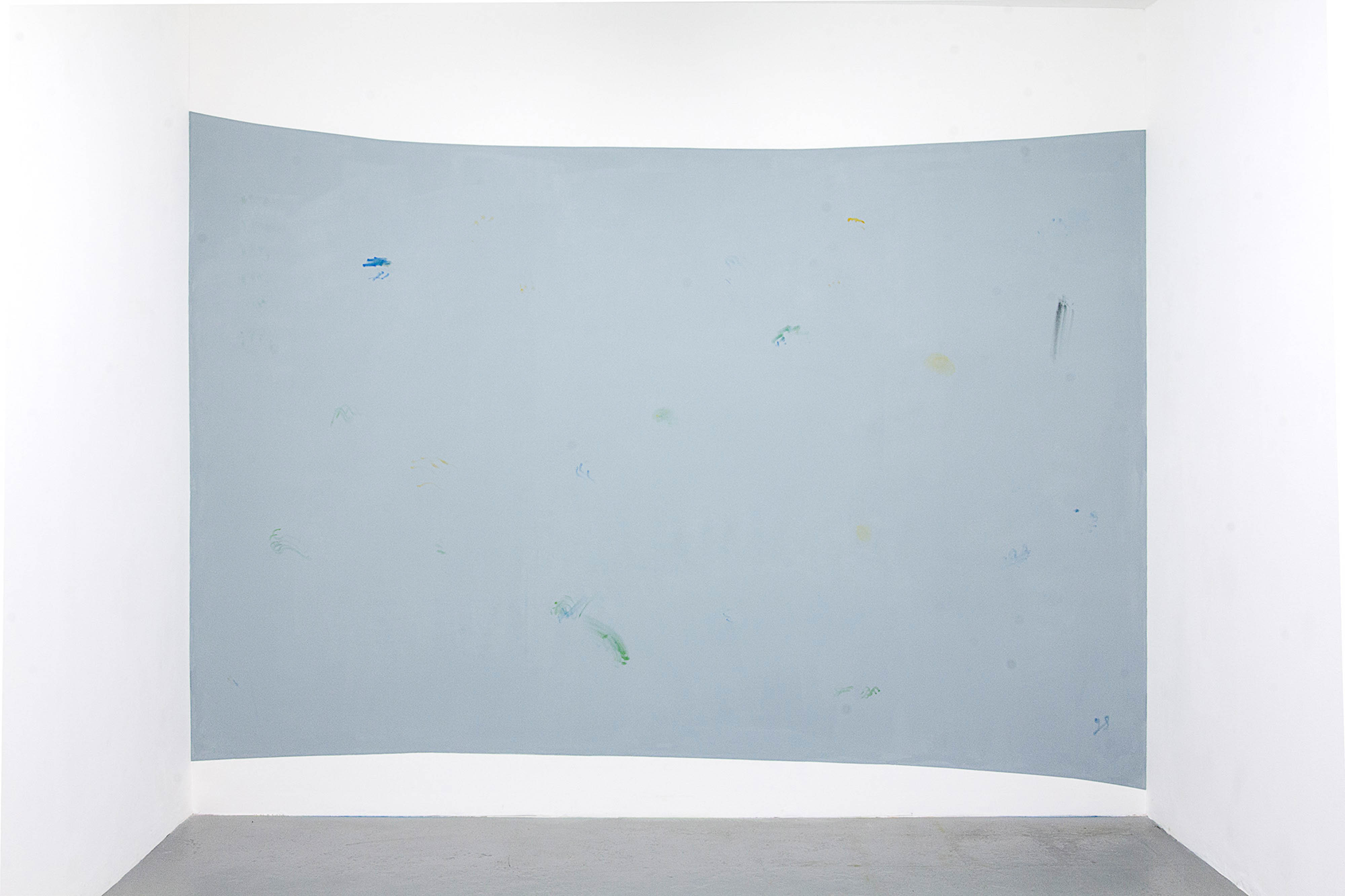

blank projects is pleased to present Sitcom, Gerda Scheepers’ third solo exhibition with the gallery. Comprising a series of new wall-based installations and sculptures, Sitcom represents an apex moment in Scheepers’ ongoing experimentation with techniques of collage and découpage.
As with the list of artwork titles arranged in the form of a poem, Scheepers uses collaging methods, drawn from Modernist traditions of sculpture and painting, as visual and linguistic instruments to both disrupt the continuum of the familiar and enable a continuum between apparently disparate registers. Simultaneously, she employs collage as a tool to didactically, and sometimes humorously, imitate the brutal fragmentation brought on by life’s daily efforts.
The exhibition’s title is reflective of this in that a sitcom, or situation comedy, is defined as an episodic comedy genre in which the lives of a cast of characters are played out in the context of a (familiar) shared environment – a suburban home, office – but with unlikely or even outlandish disruptions to their daily routines. The usual format of a sitcom has each episode broken up into a series of comical standalone scenes, which are often resolved in the final scene when disparate narratives are brought together by coincidence, in a comedic climax.
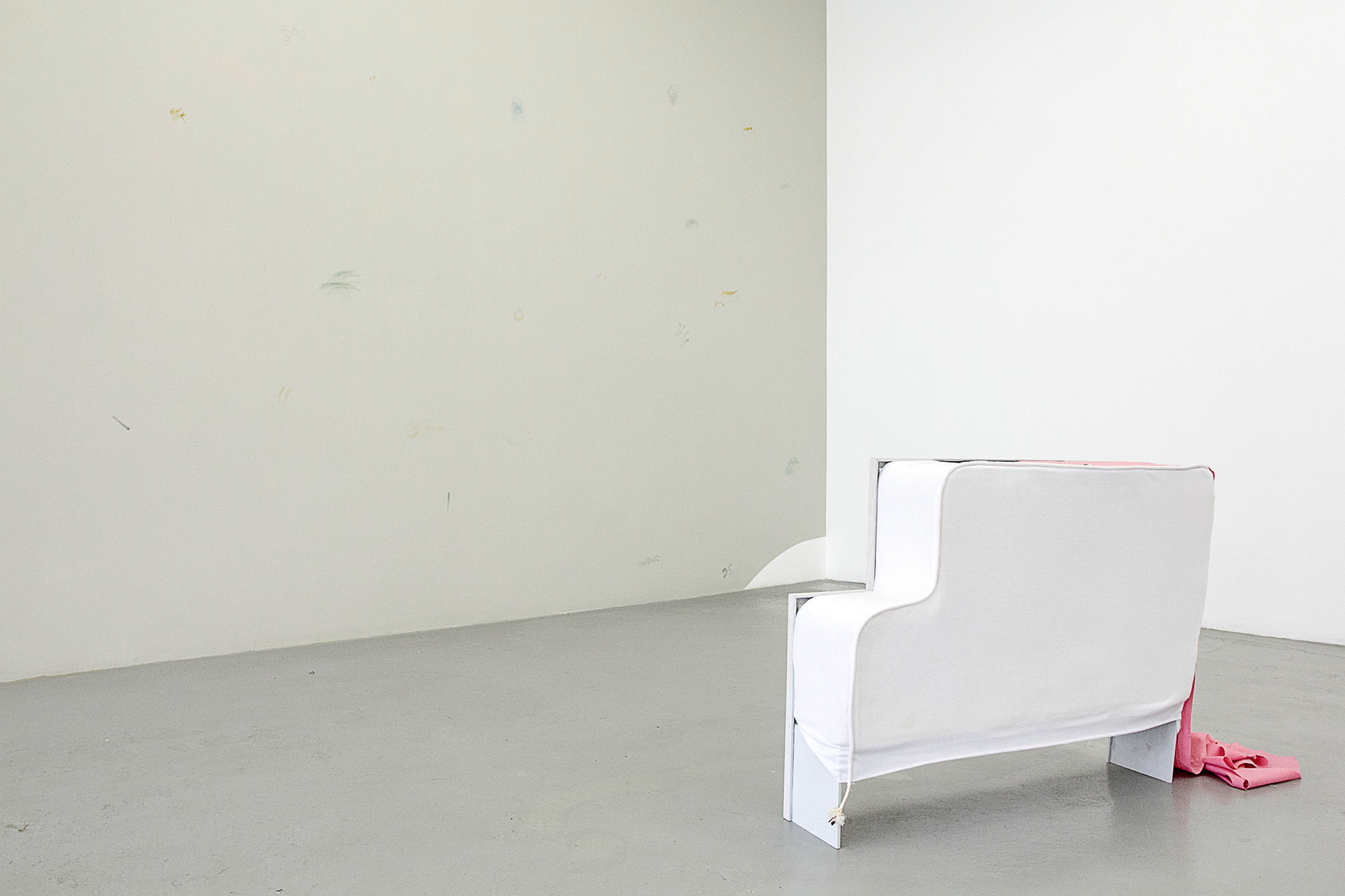
Sharing the title Sitcom is a group of sculptures, each representing an element of a deconstructed couch – the couch being a ubiquitous feature of sitcom sets – onto which Scheepers has découpaged the fabric silhouettes of body parts, sprawled in animated positions, like scenic freeze-frames. Other works on the show include map-like wall installations: pieces of fabric stretched into place, their shapes reminiscent of unlikely maps or floorplans with subtly marked surfaces that, in Scheepers’ words, act as “spaces of buffering, temporary addresses for things more distinct than concrete”.
According to Scheepers, “the studio functions somehow as a capsule, where possibilities and restrictions play themselves out. The materials that accumulate there are collected over longer periods in a ‘gathering’ phase, while the show is being conceptualized. Budget and deadline are very much tools determining aspects of process in the studio too, and soon the works have to make do with what is available. They enter a struggle between possibilities and limitations and sometimes simply my inabilities. The actual moment of starting the execution of a work always feels like a very unlikely physical activity to engage in, it doesn’t feel right. It’s through a certain endurance and interaction with this moment that the works develop”.
The materials Scheepers has used in this exhibition have come from an almost bland sculptural “palette”: basic art materials and processes like framing, as well as materials associated with domestic crafts. Instead, their specificity is developed through their application. Some of these materials are the residue of previous efforts or failures, but through having escaped the bin they have a legitimacy and identity of their own.
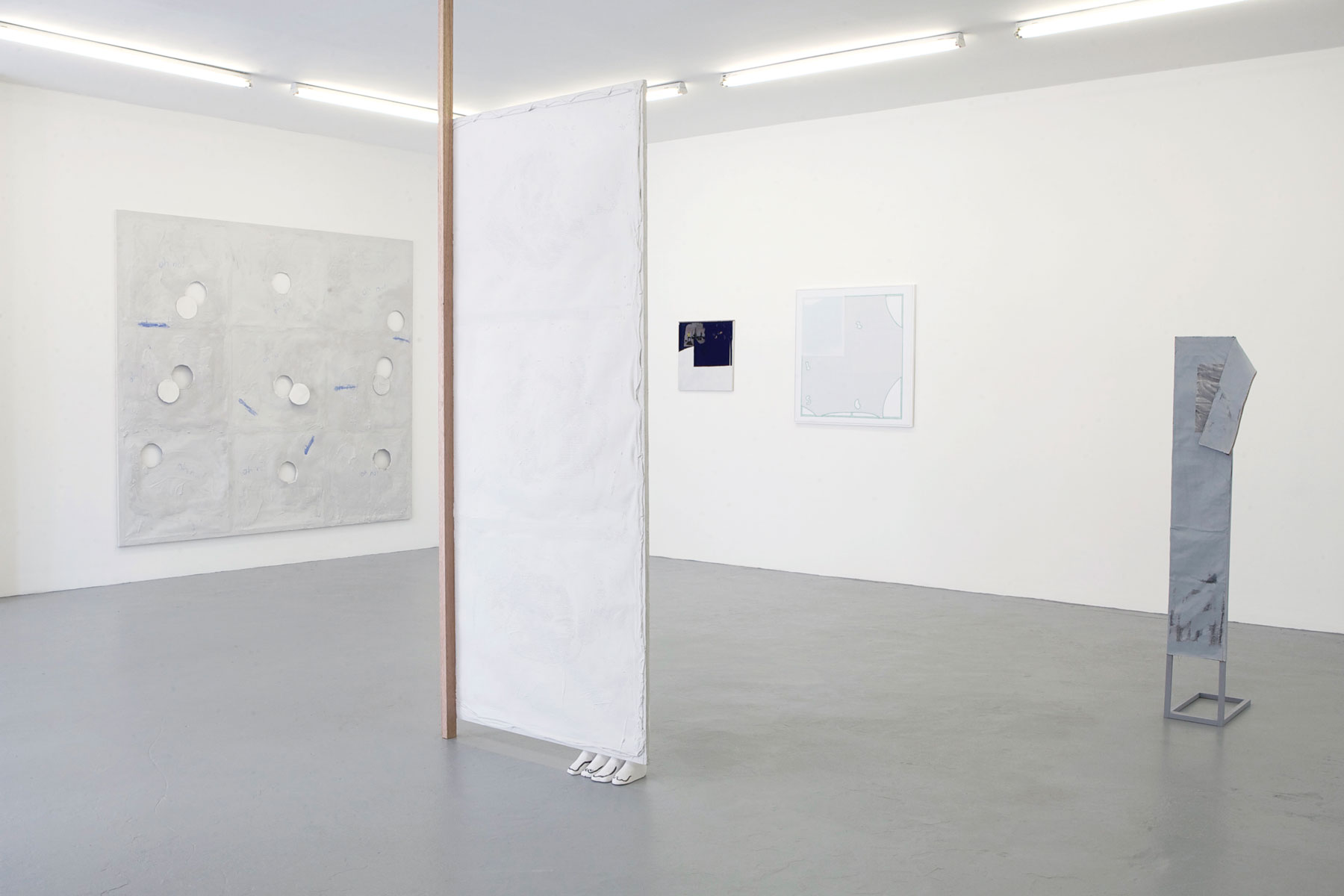
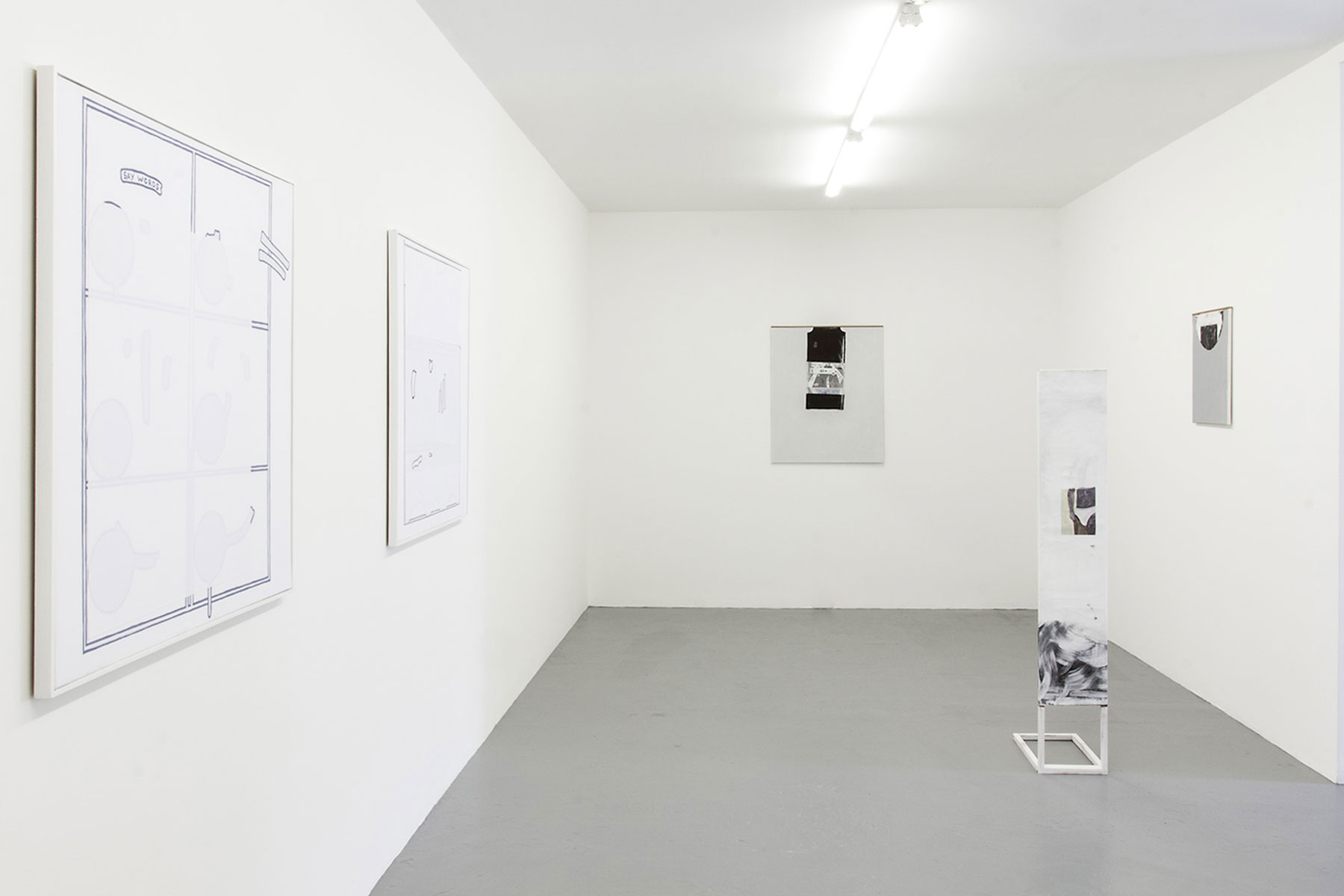
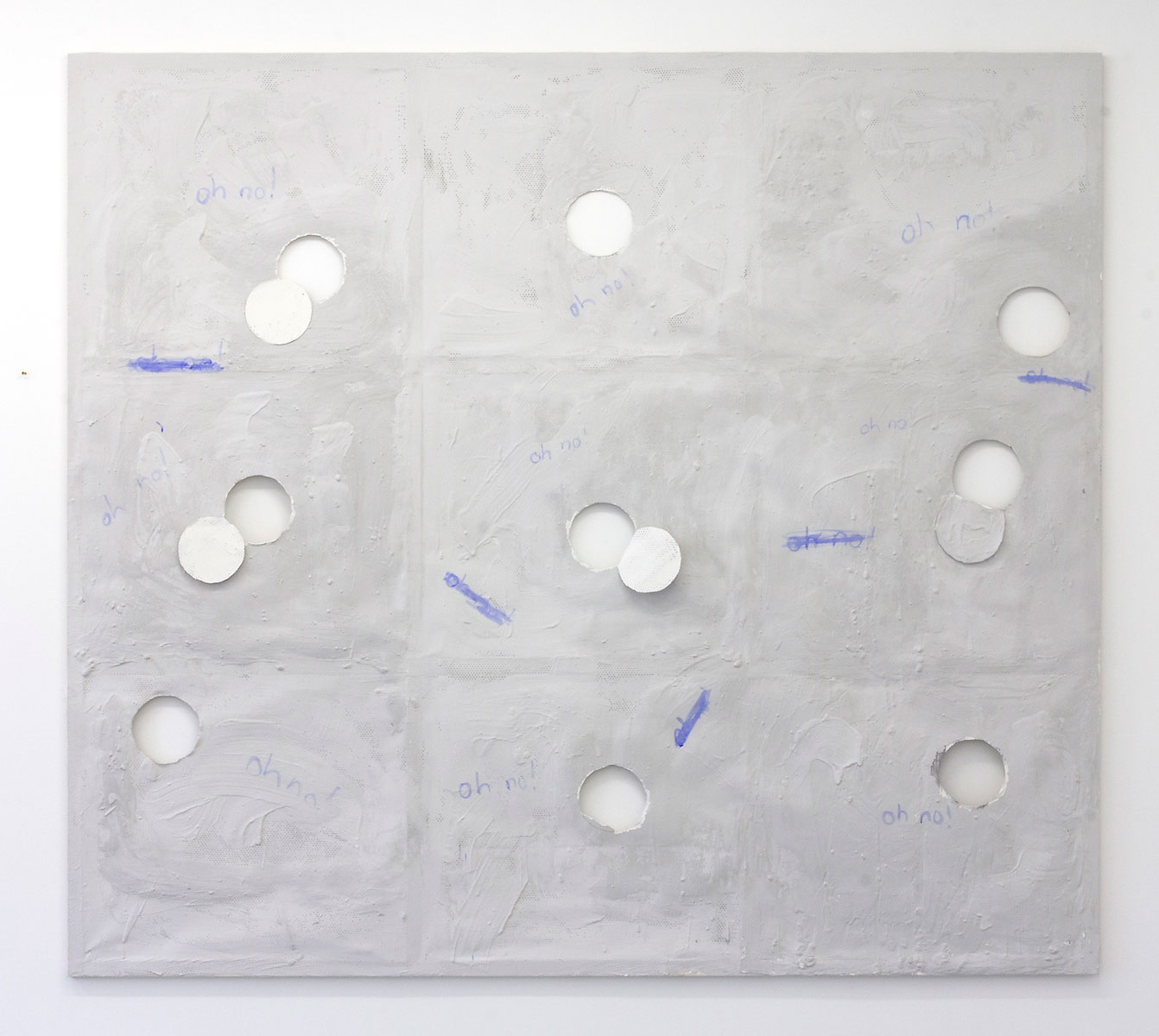
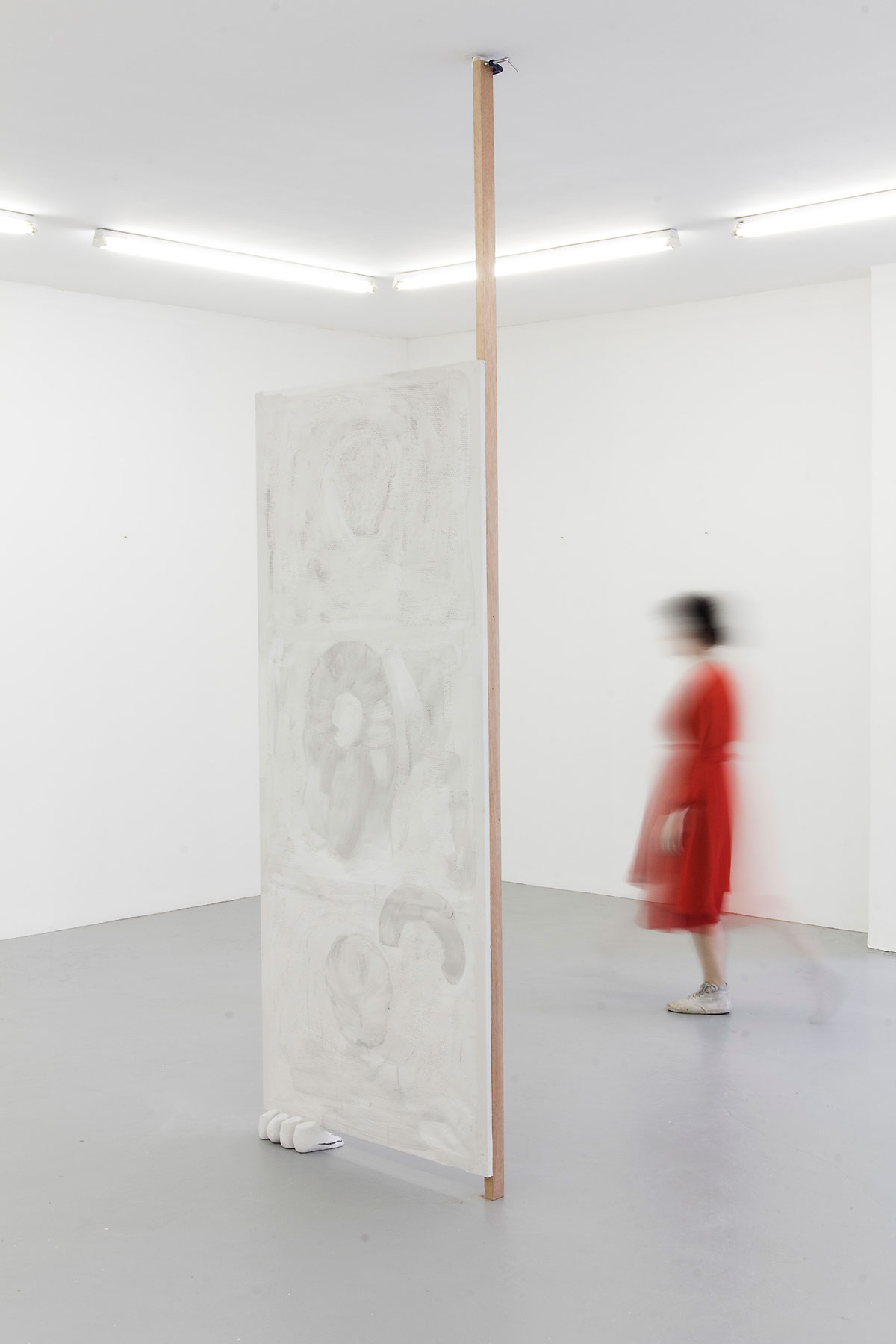
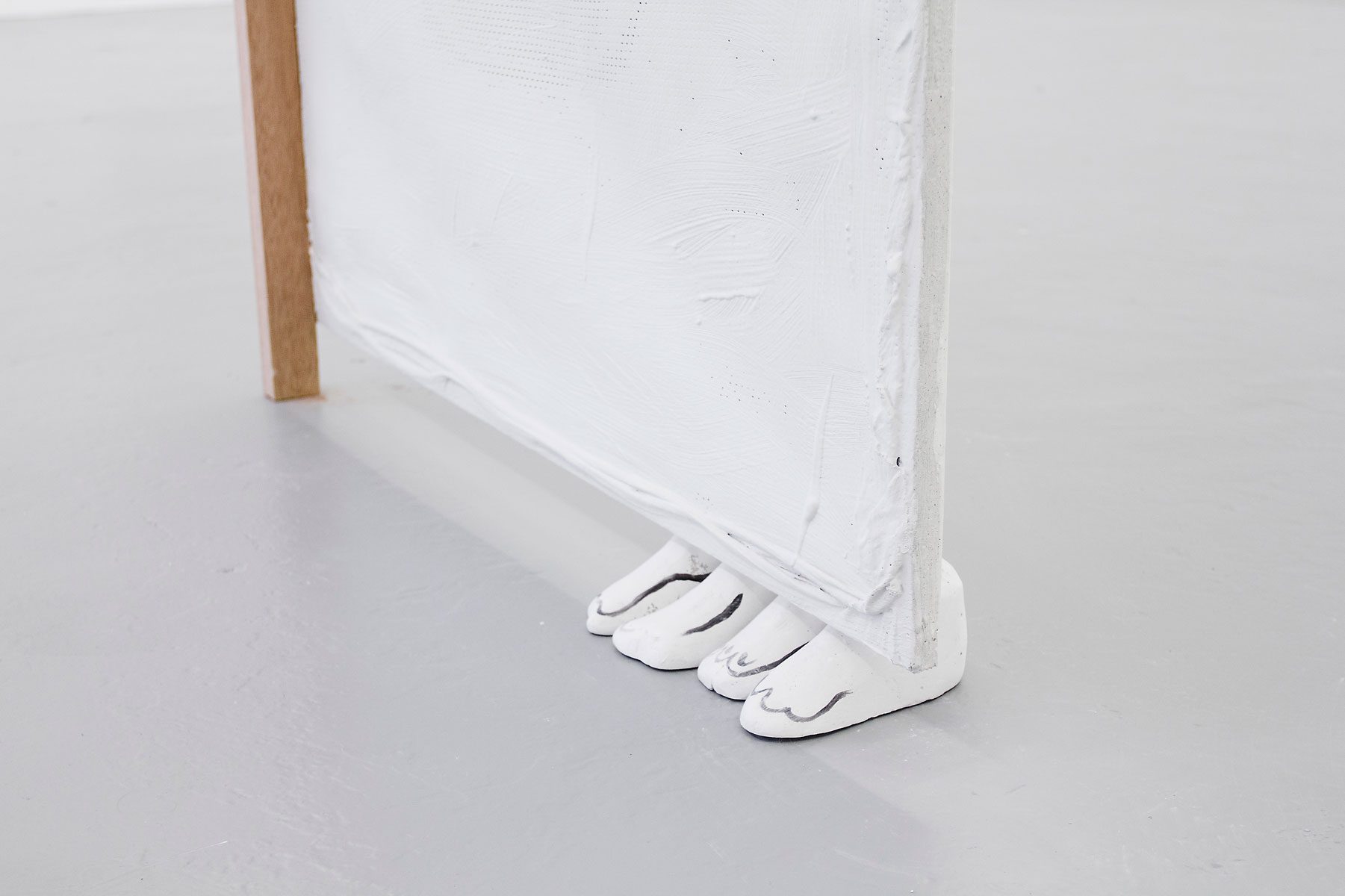
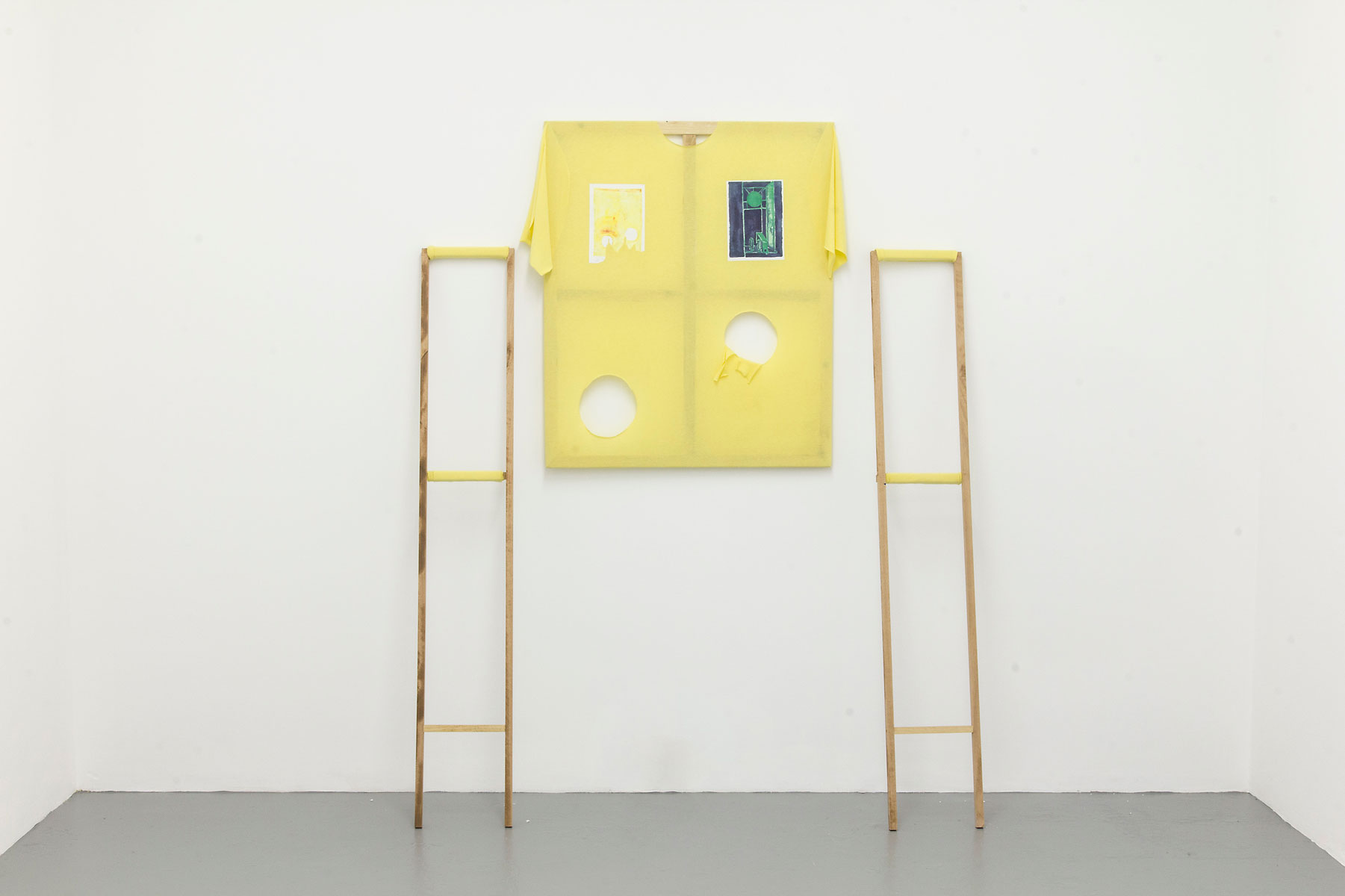
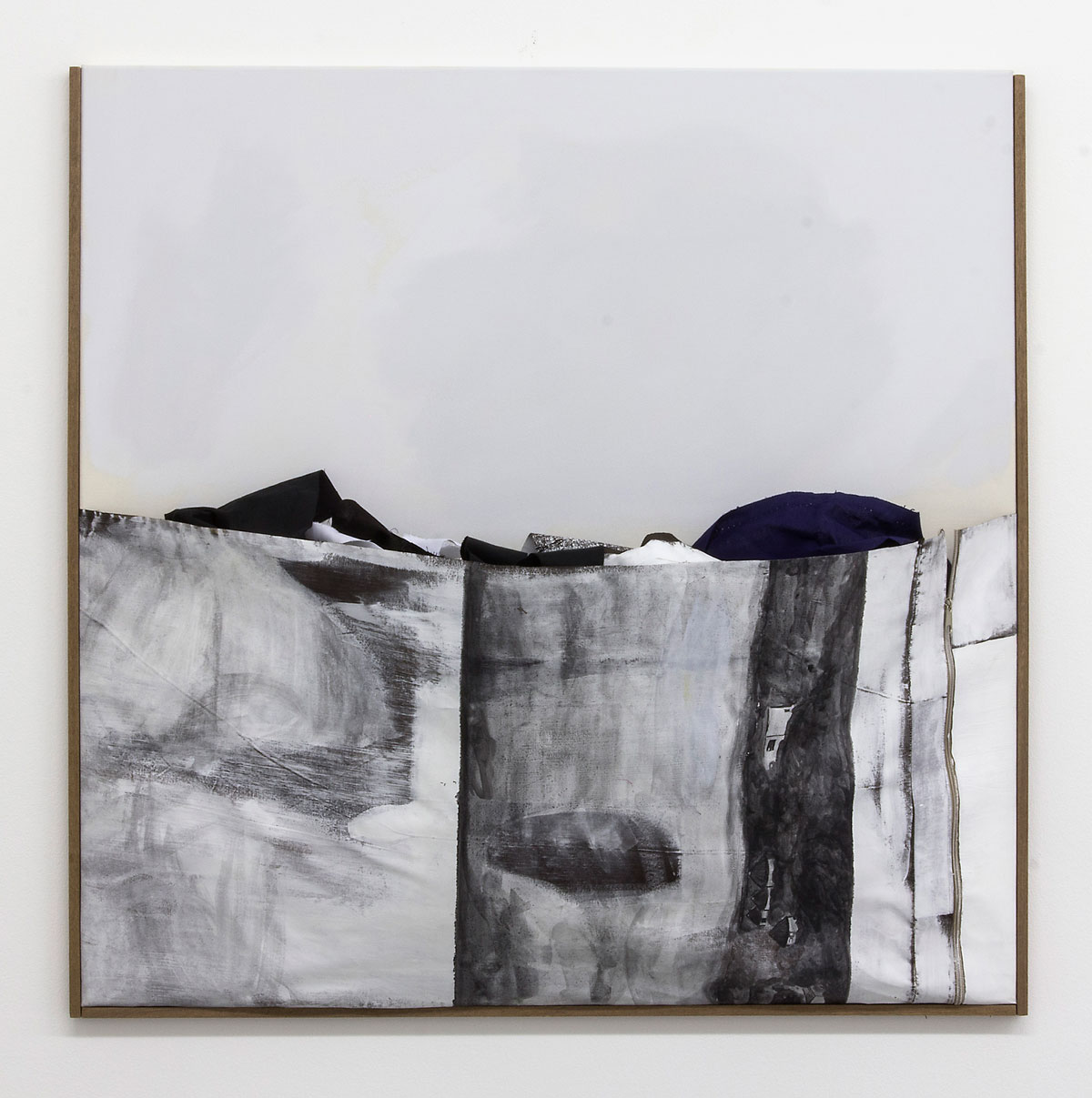
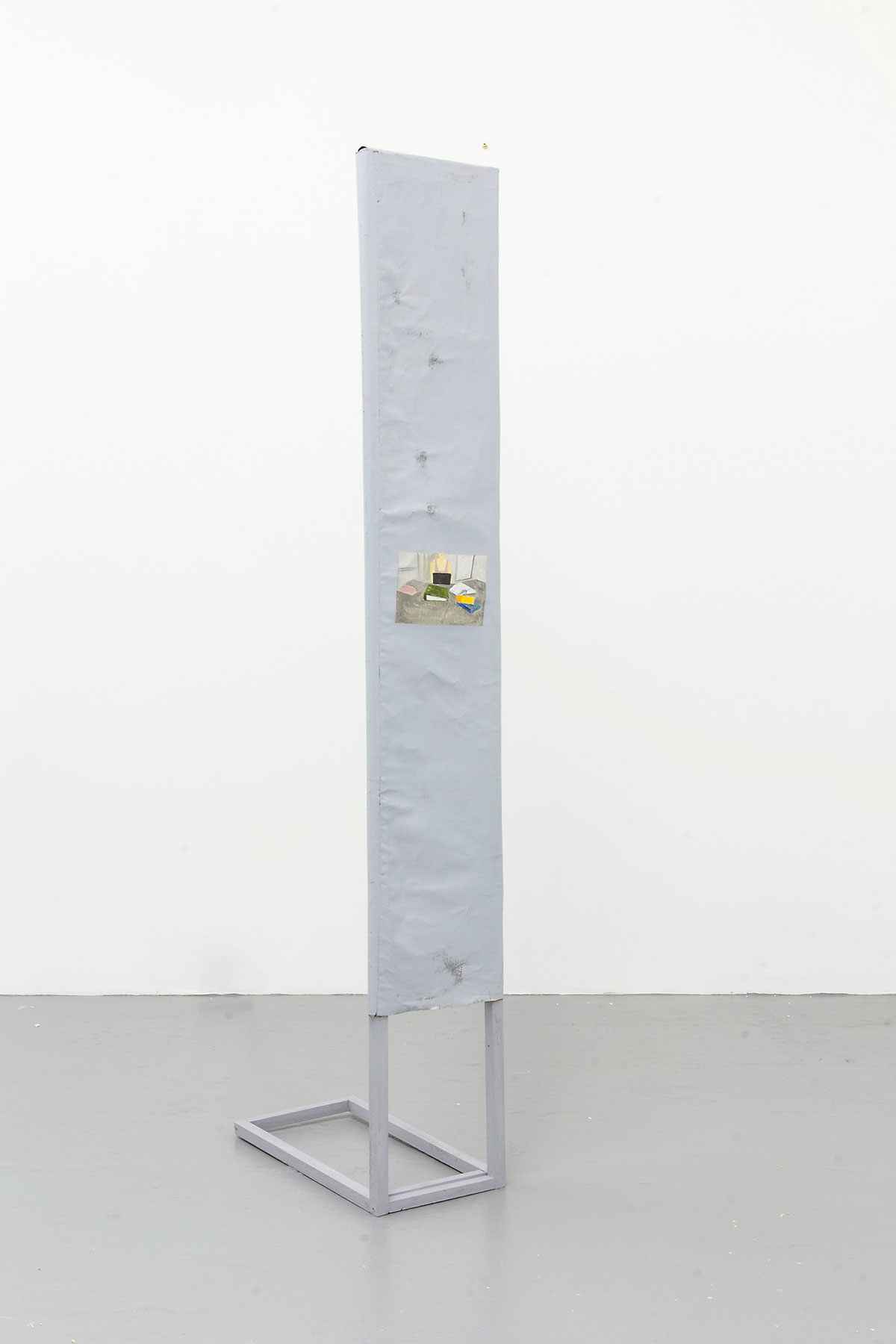
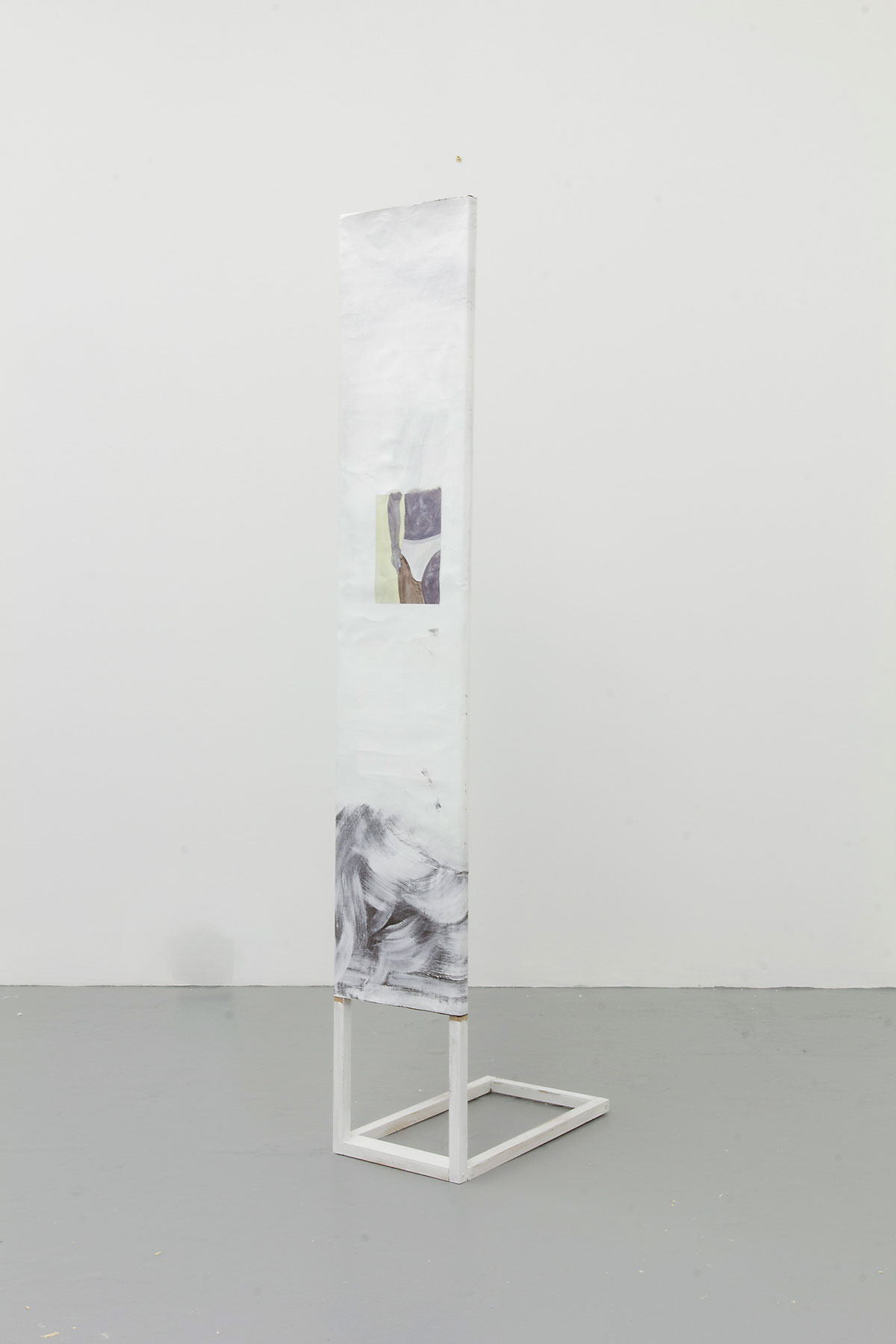
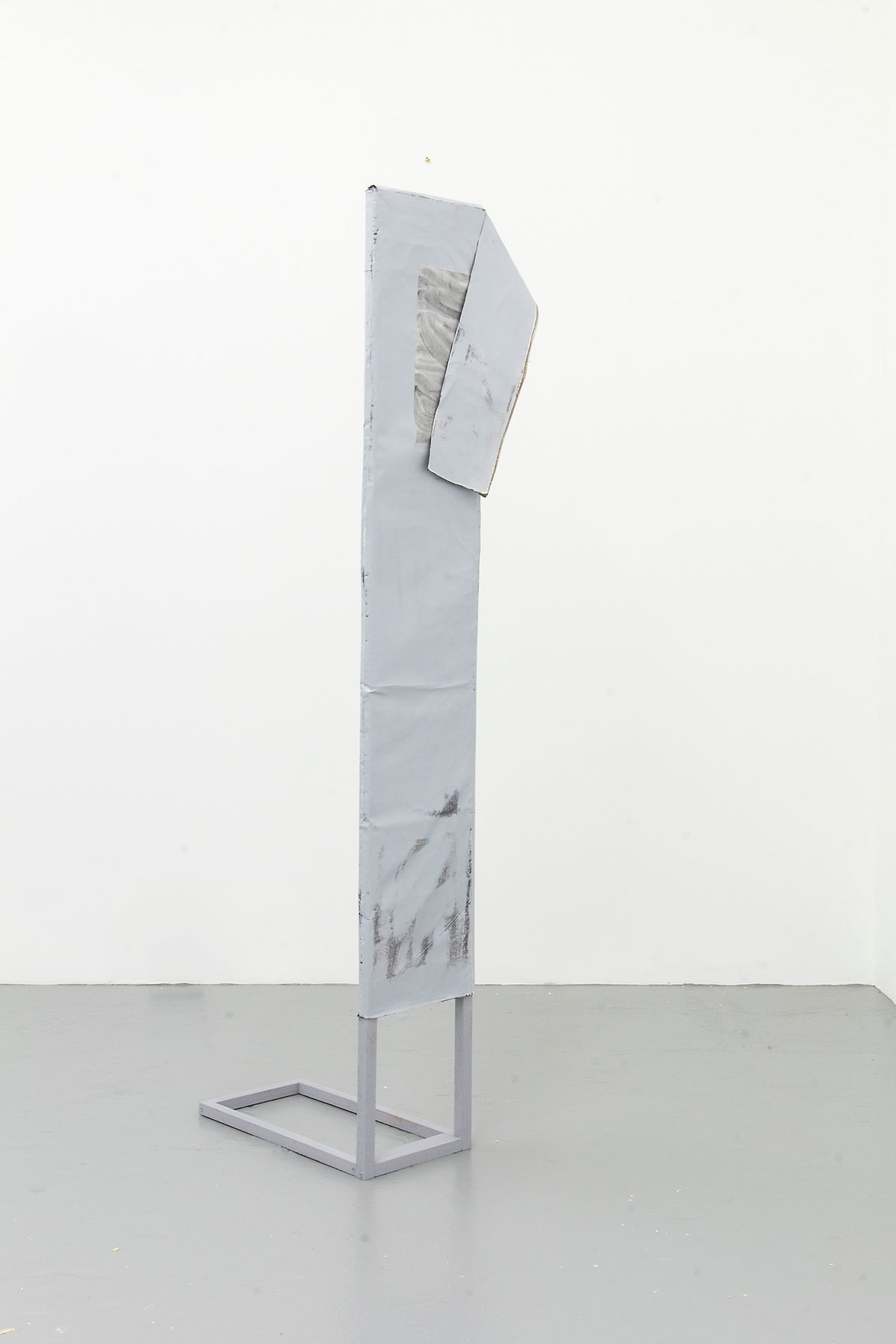
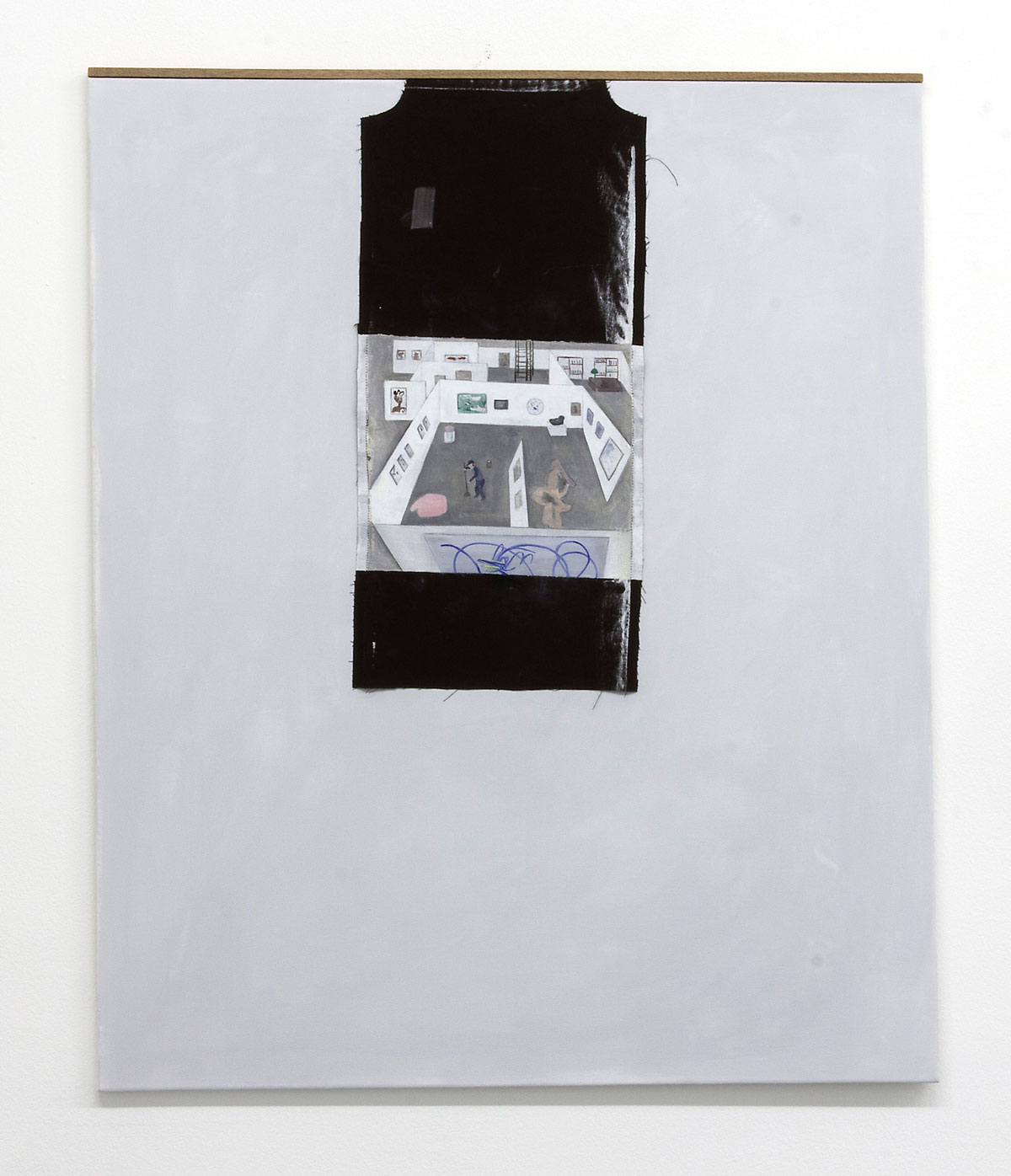
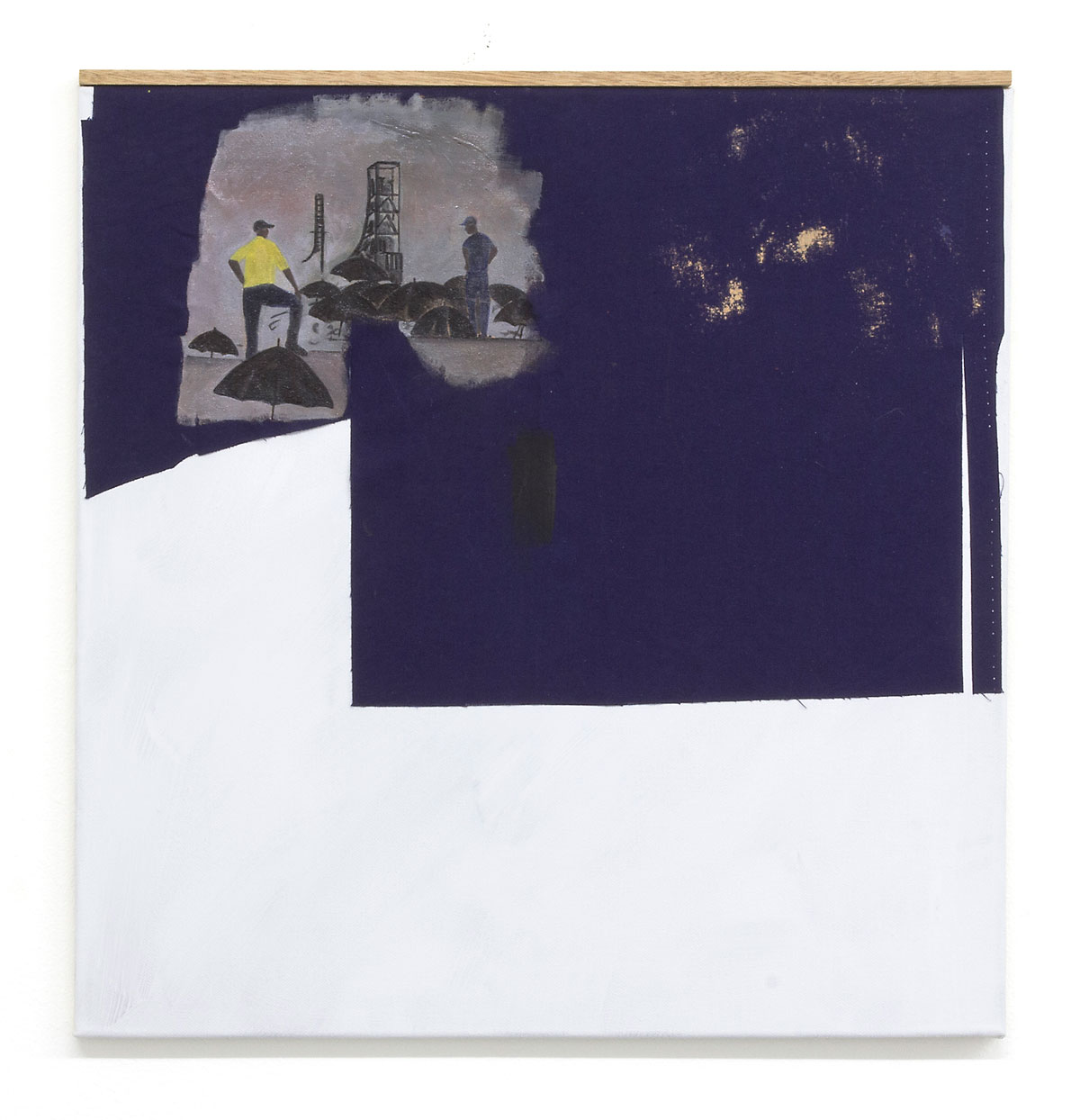
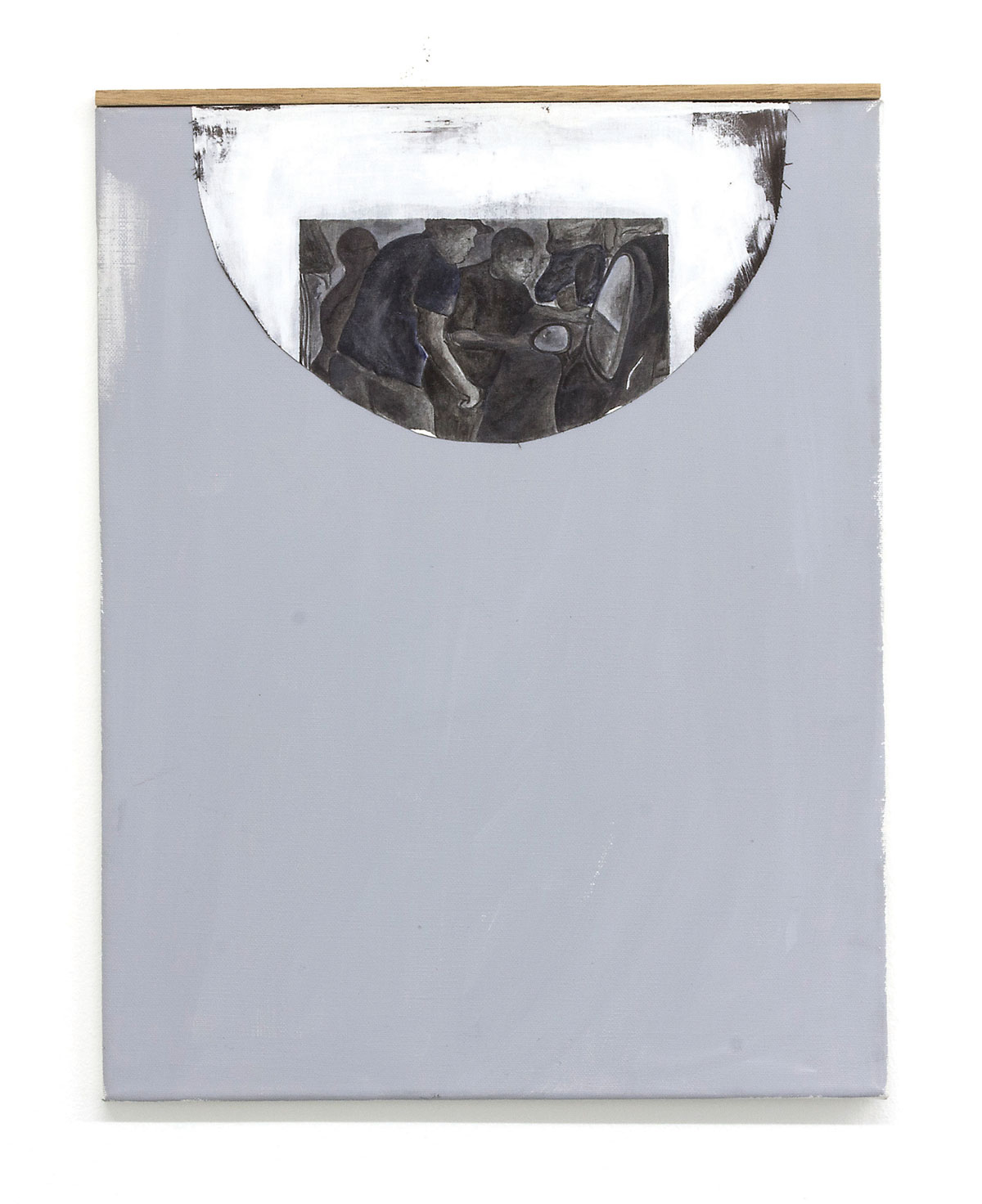
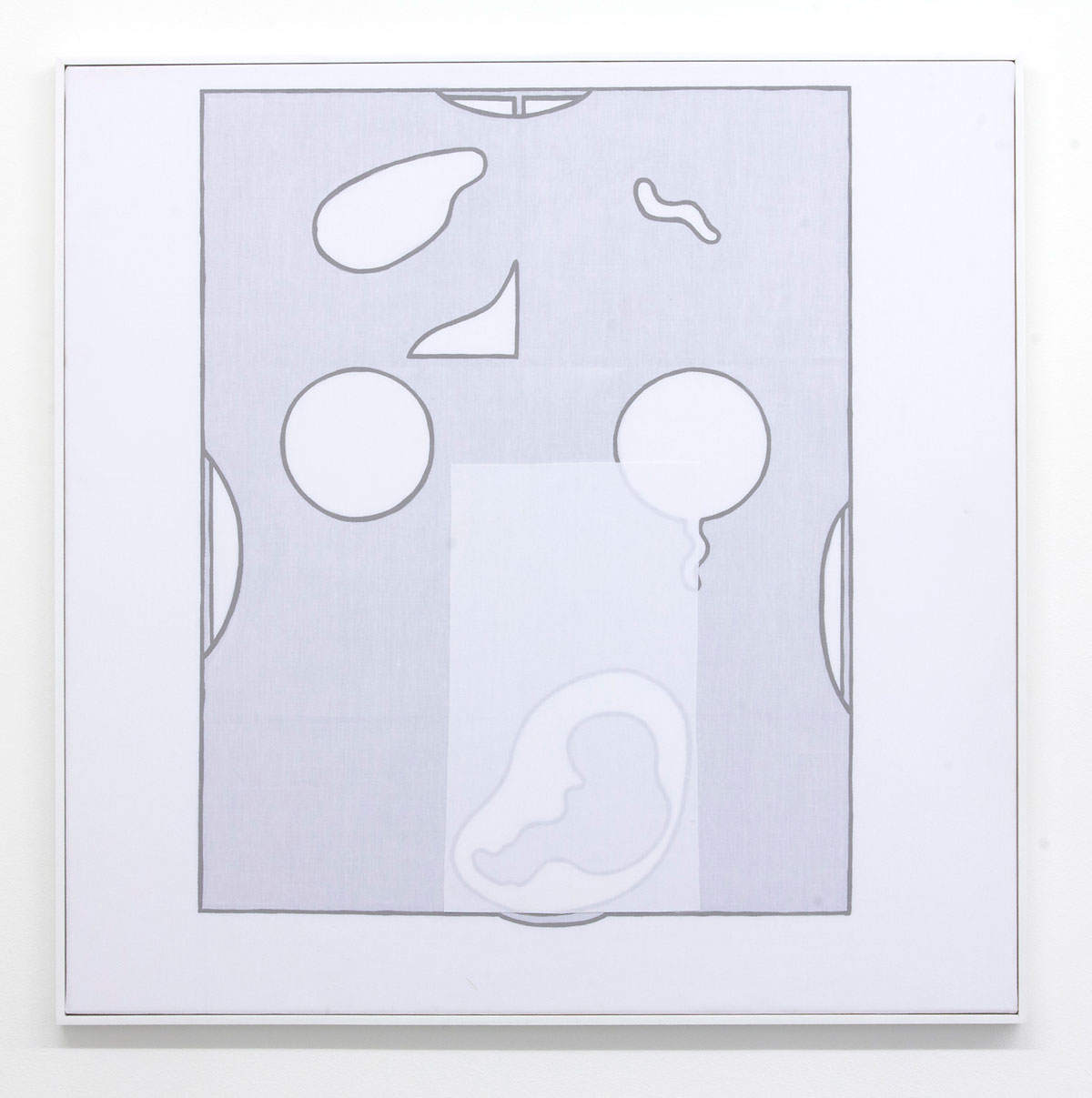


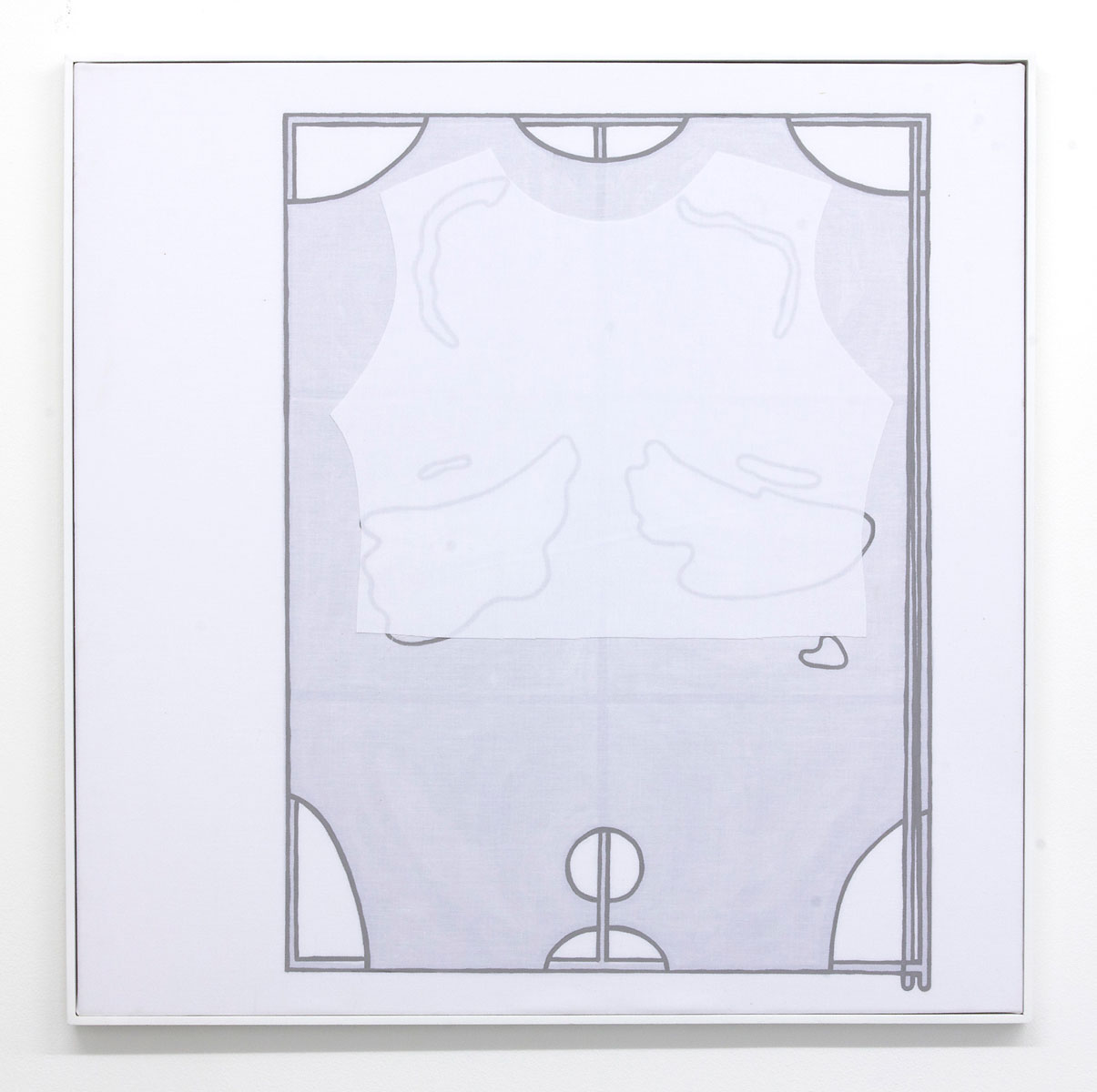
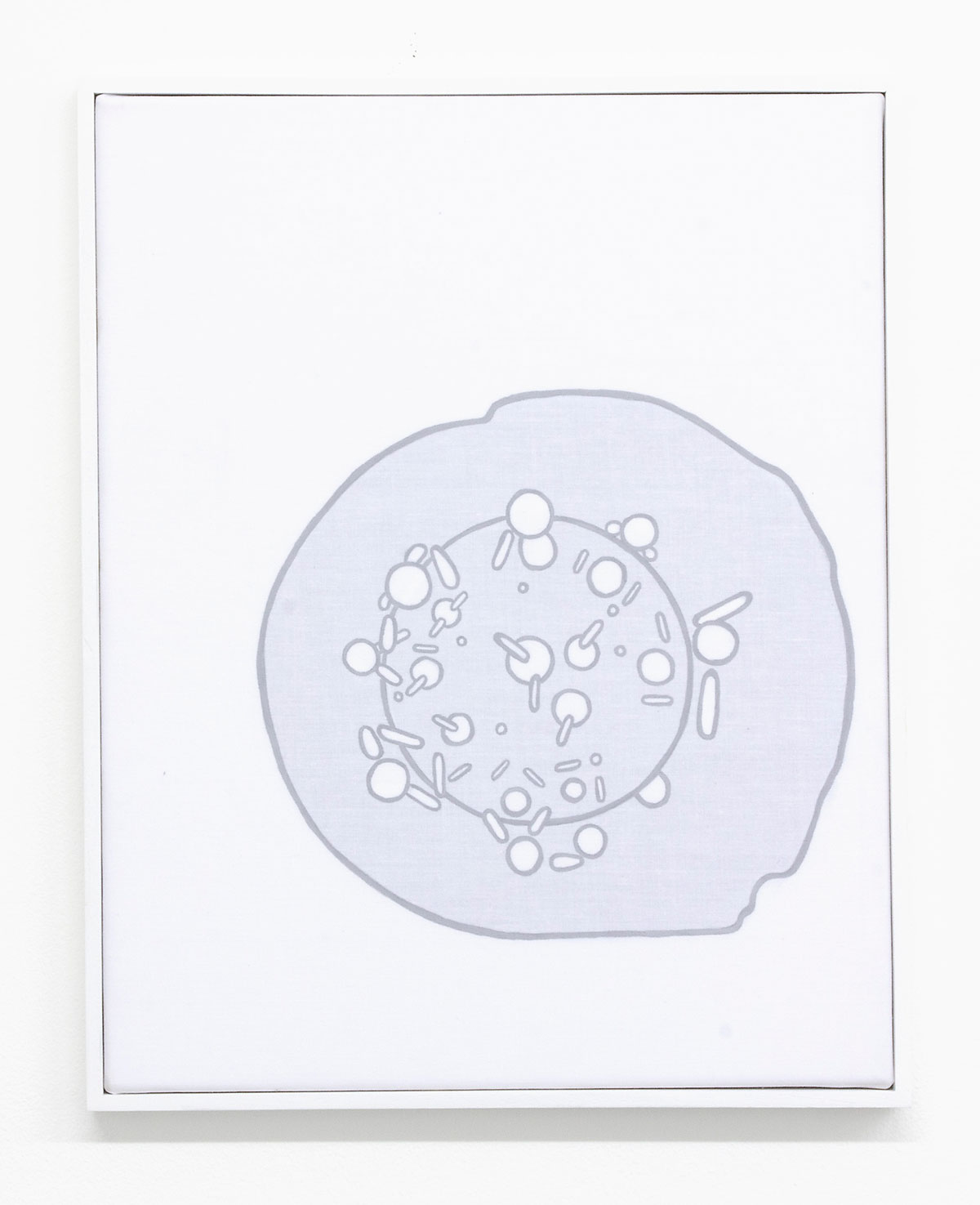
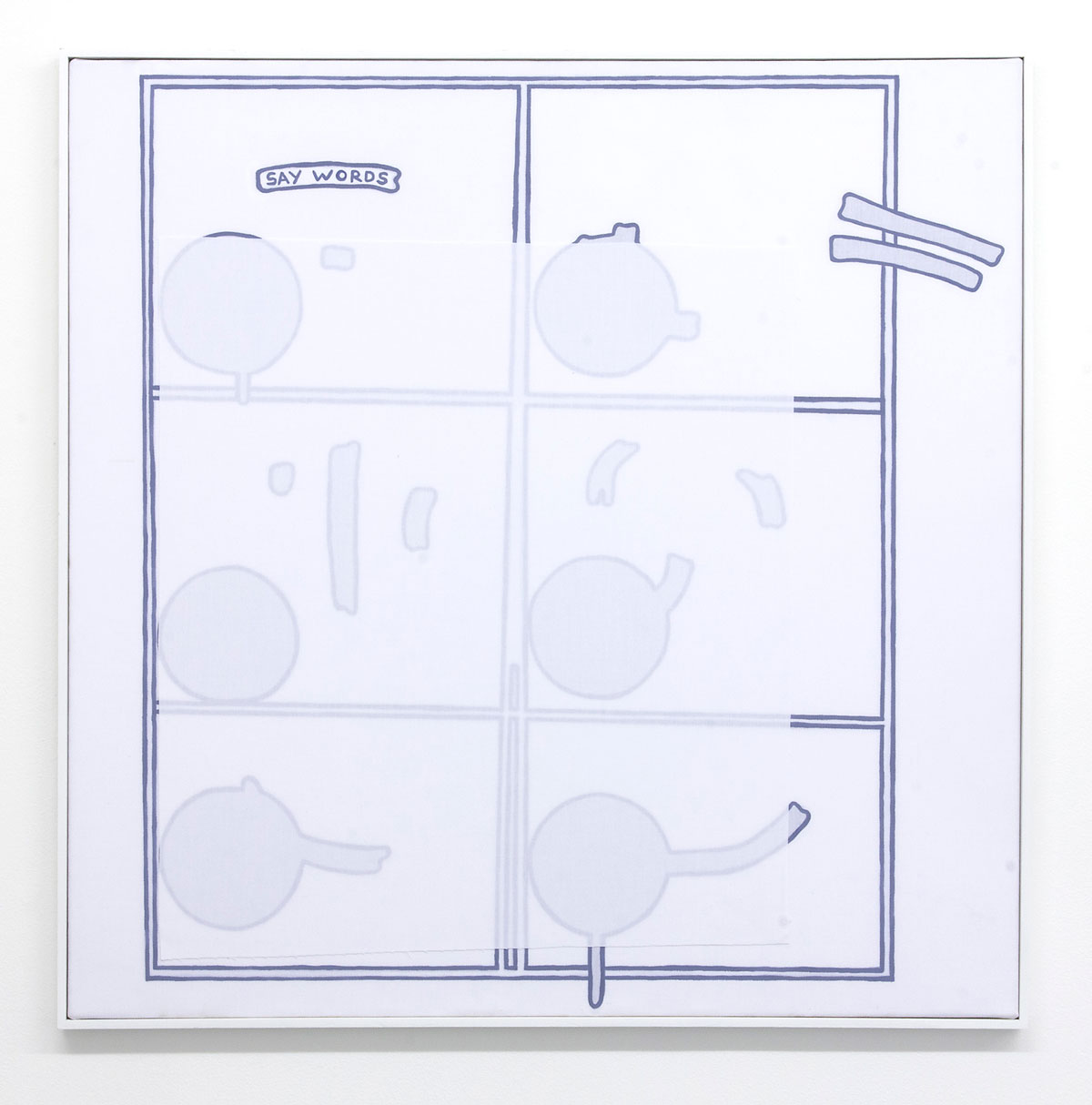
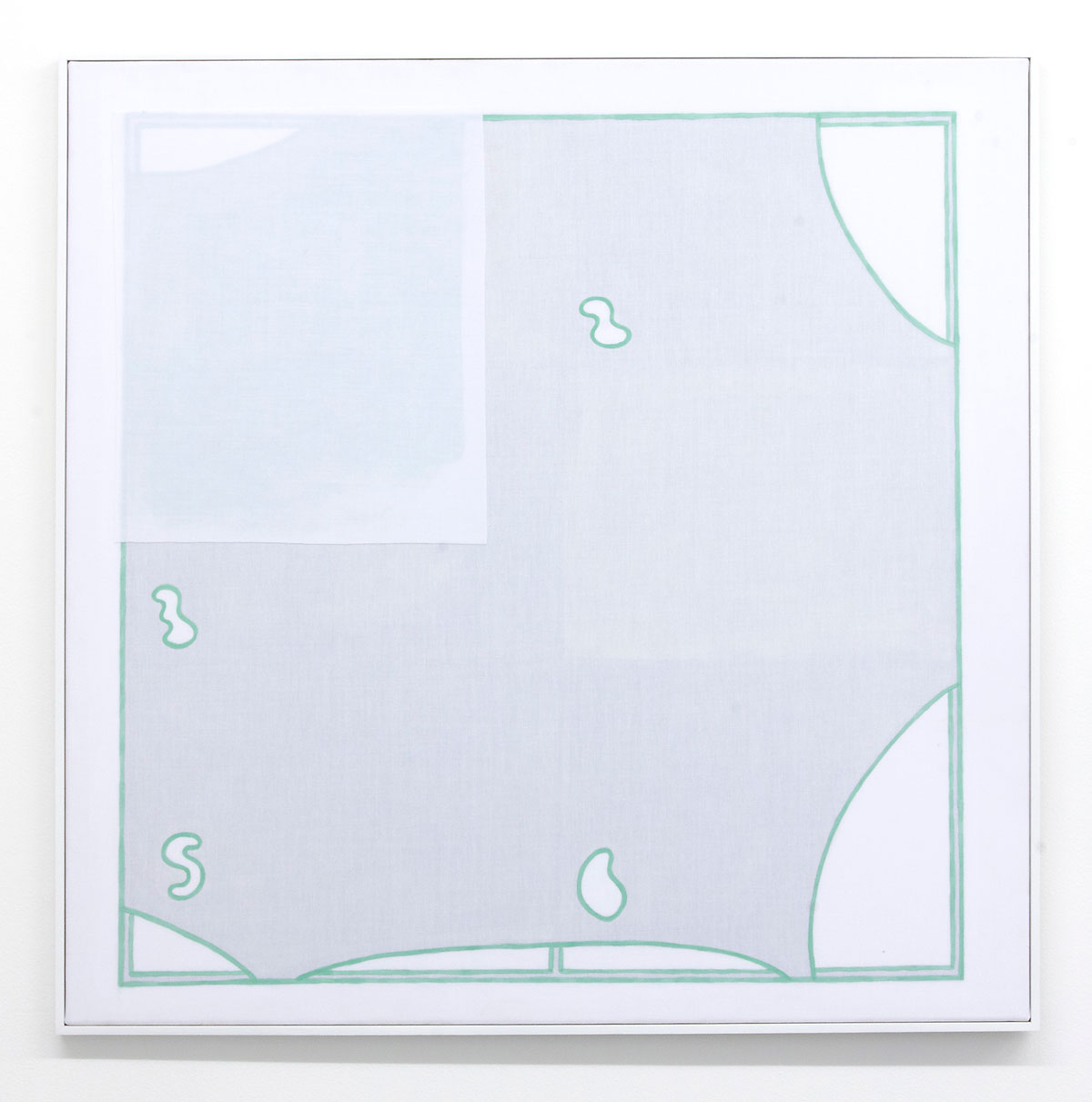
Gerda Scheepers will develop an abstract situation at the gallery using new works. By pointedly referencing genres of classical art production (painting, objects, and drawing), Scheepers moves away from dualisms such as form/content and figuration/abstraction. As hybrid media, her works focus on psychological tensions that arise between images, graphic diagrams, and language. Scheepers invariably questions the material presence of images, destabilizing them through the use of ambivalent structures, or the simultaneity of subject and background. The exhibition title alludes to both the individual psychological landscape as well as its interaction with the bigger social landscape, and an abstract surface where they are held in tension.
Gerda Scheepers (b.1979 Tzaneen, South Africa) lives and works between Cape Town and Berlin. She graduated from the Dusseldorf Art Academy in 2005 and won the Art Cologne Preis fur junge Kunst in 2006. Recent solo exhibitions include A Social Life of Image, Mary Mary Gallery, Glasgow (2013), Modal Approach and Accent, blank projects, Cape Town (2012) and Low and partial: Romantic Comedy, Kunstverein Nuremberg, Germany (2012). In 2012, Scheepers was awarded the Marianne-Defet- Malerei- Stipendium.
Gerda Scheepers (b.1979 Tzaneen, South Africa) lives and works between Cape Town and Berlin. She graduated from the Dusseldorf Art Academy in 2005 and won the Art Cologne Preis fur junge Kunst in 2006. Recent solo exhibitions include A Social Life of Image, Mary Mary Gallery, Glasgow (2013), Modal Approach and Accent, blank projects, Cape Town (2012) and Low and partial: Romantic Comedy, Kunstverein Nuremberg, Germany (2012). In 2012, Scheepers was awarded the Marianne-Defet- Malerei- Stipendium.
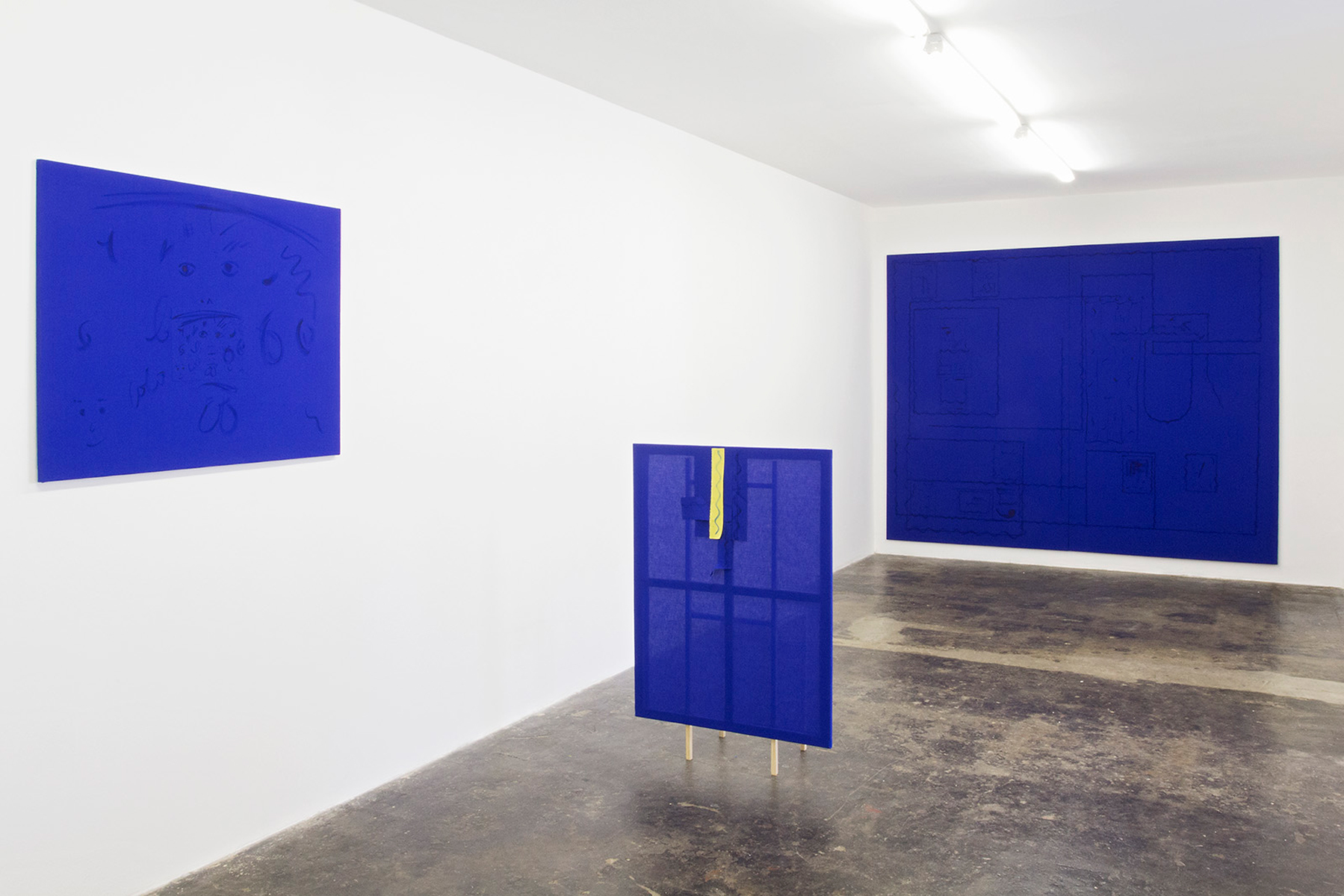


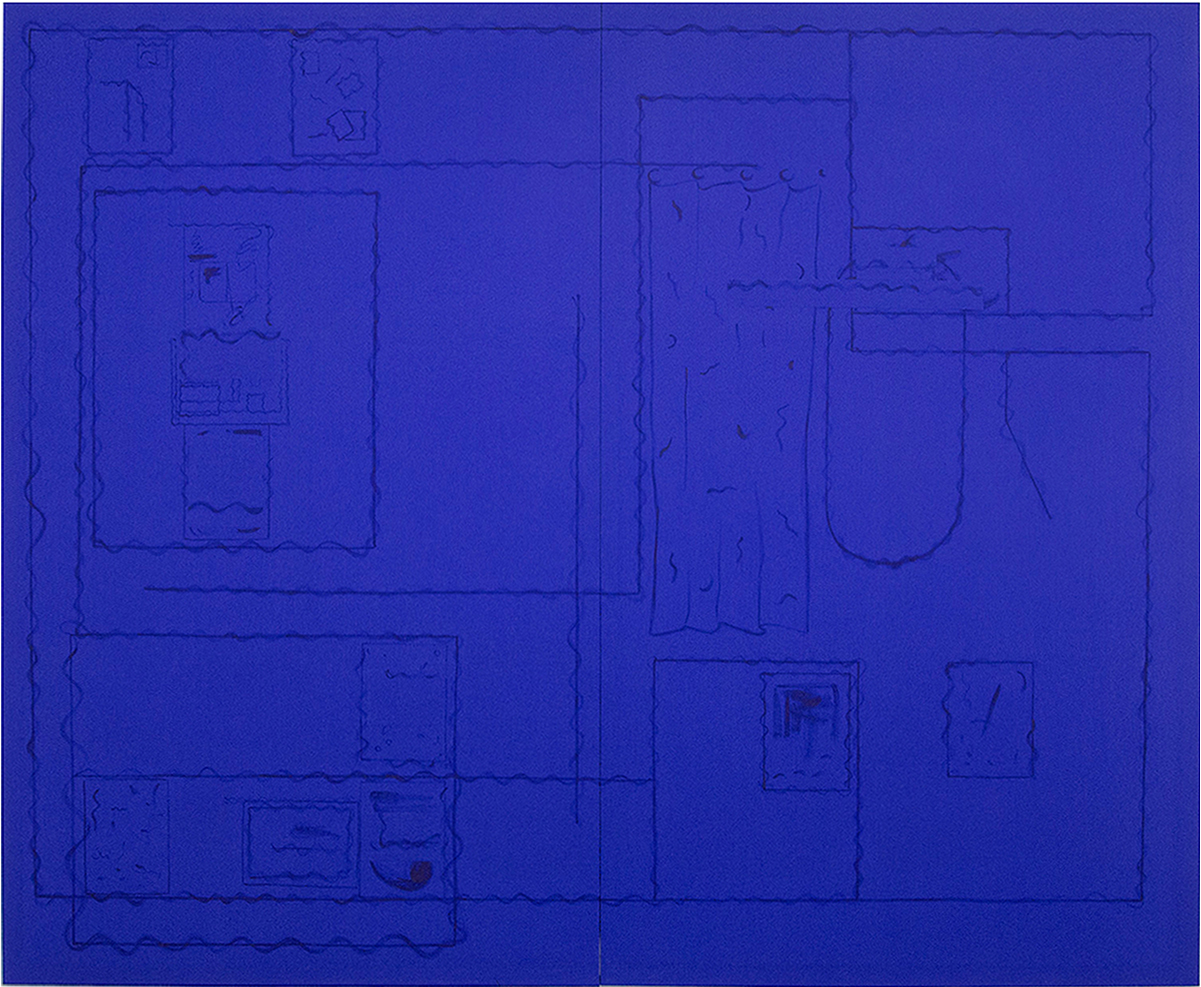
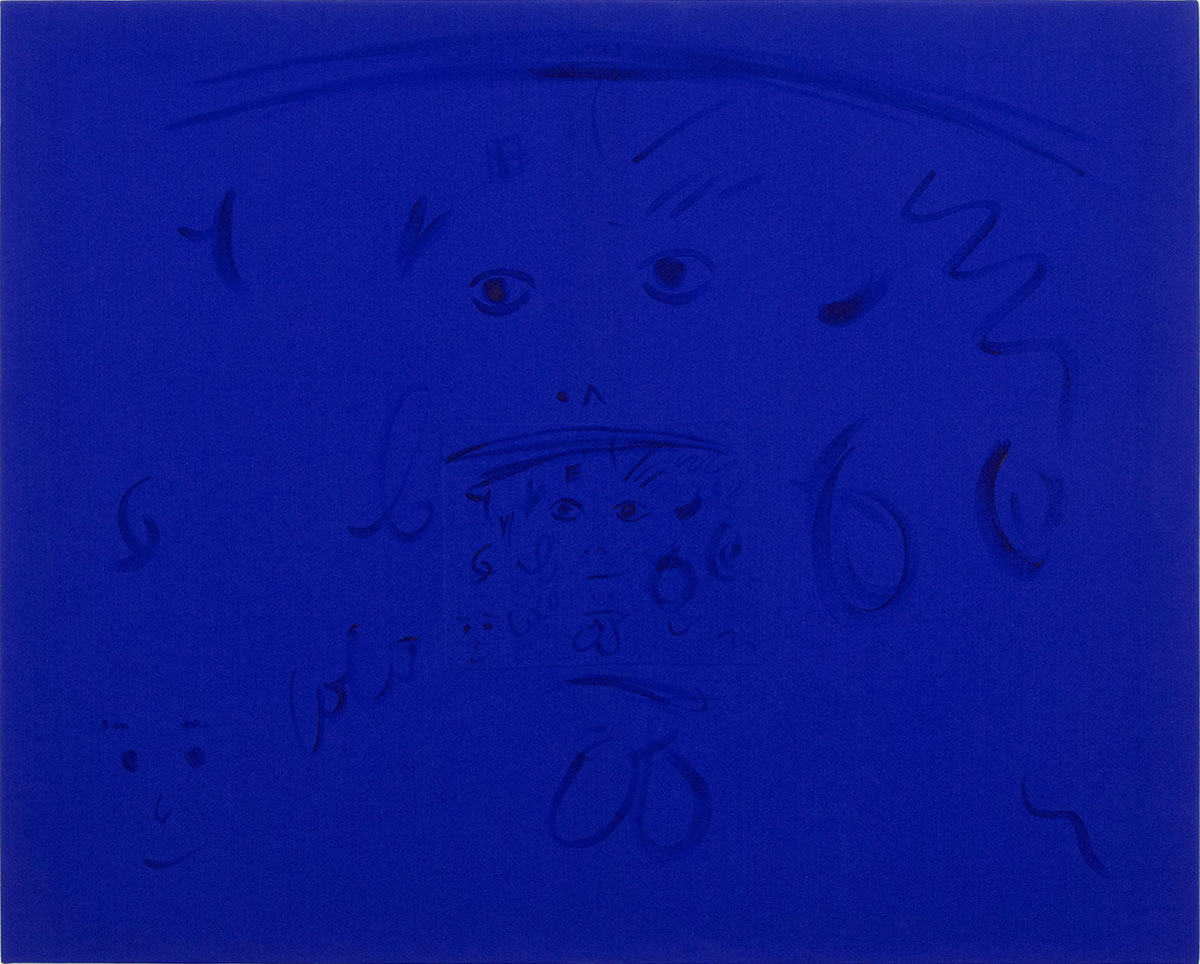
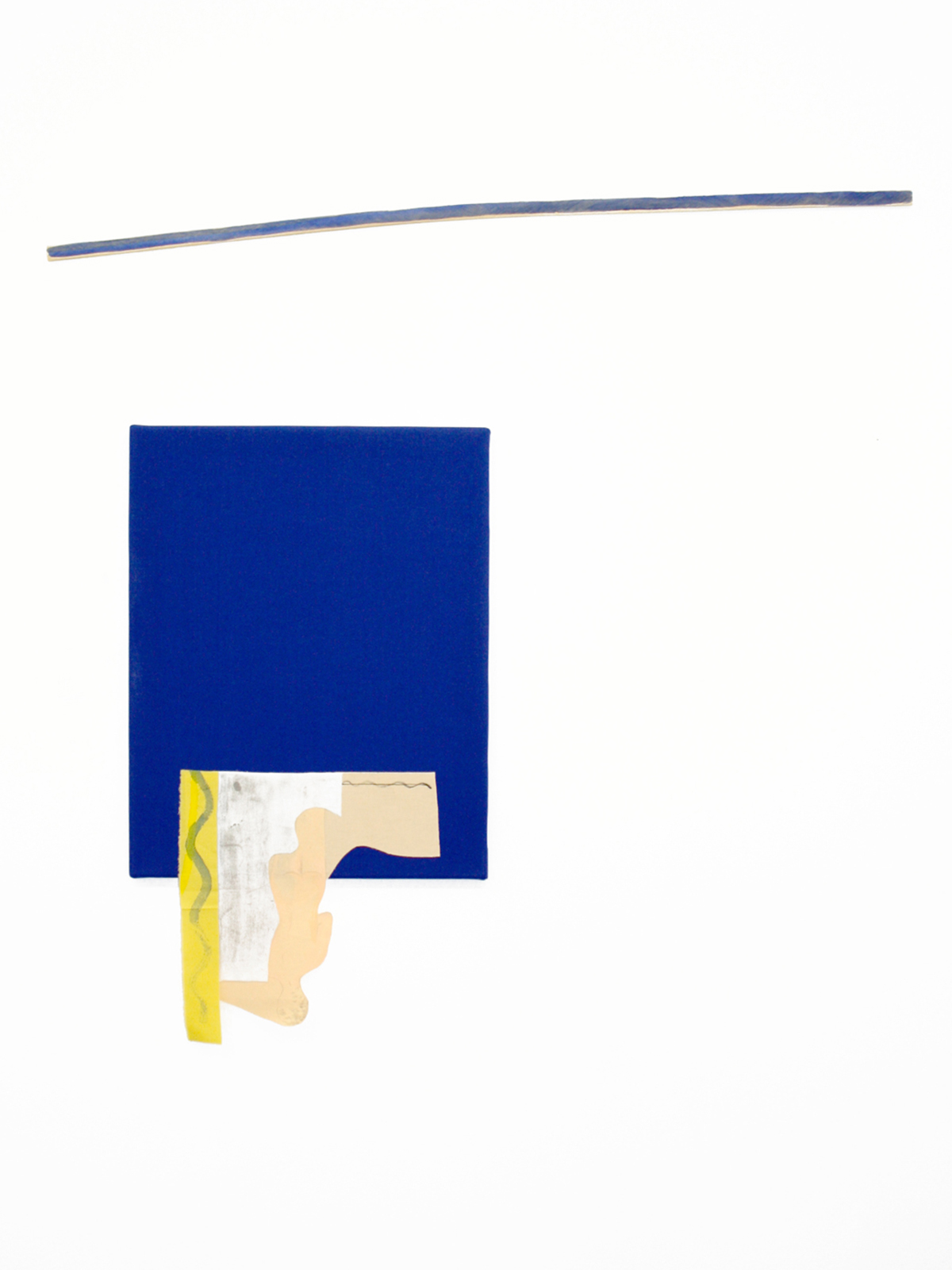
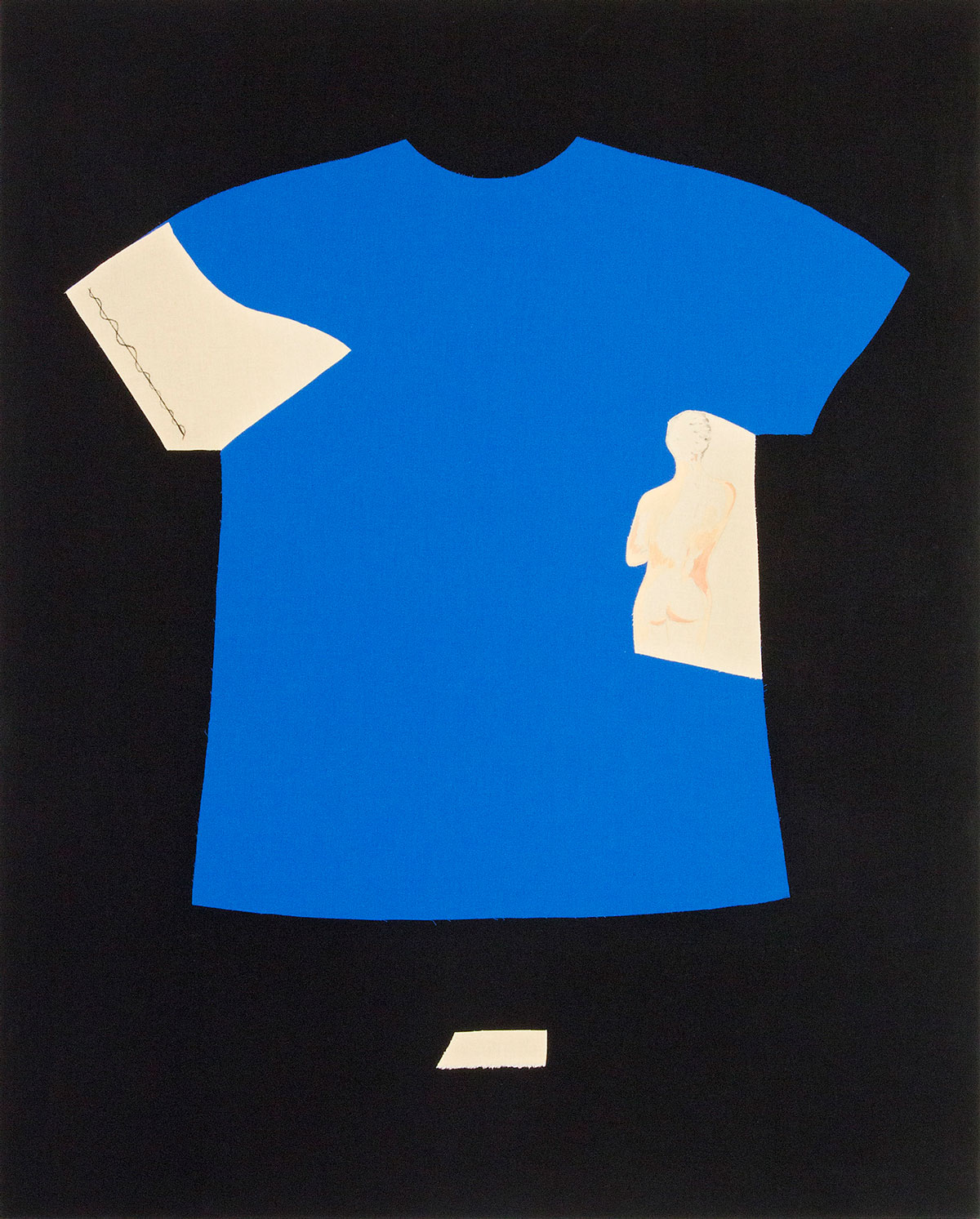

Talking about 12 Paintings
is a small group of works in between painting
and sculpture,
with slightly dishonest ambitions towards the performing arts,
and actively jealous of the written or spoken.
:( Picture it :)
,
please
is a small group of works in between painting
and sculpture,
with slightly dishonest ambitions towards the performing arts,
and actively jealous of the written or spoken.
:( Picture it :)
,
please
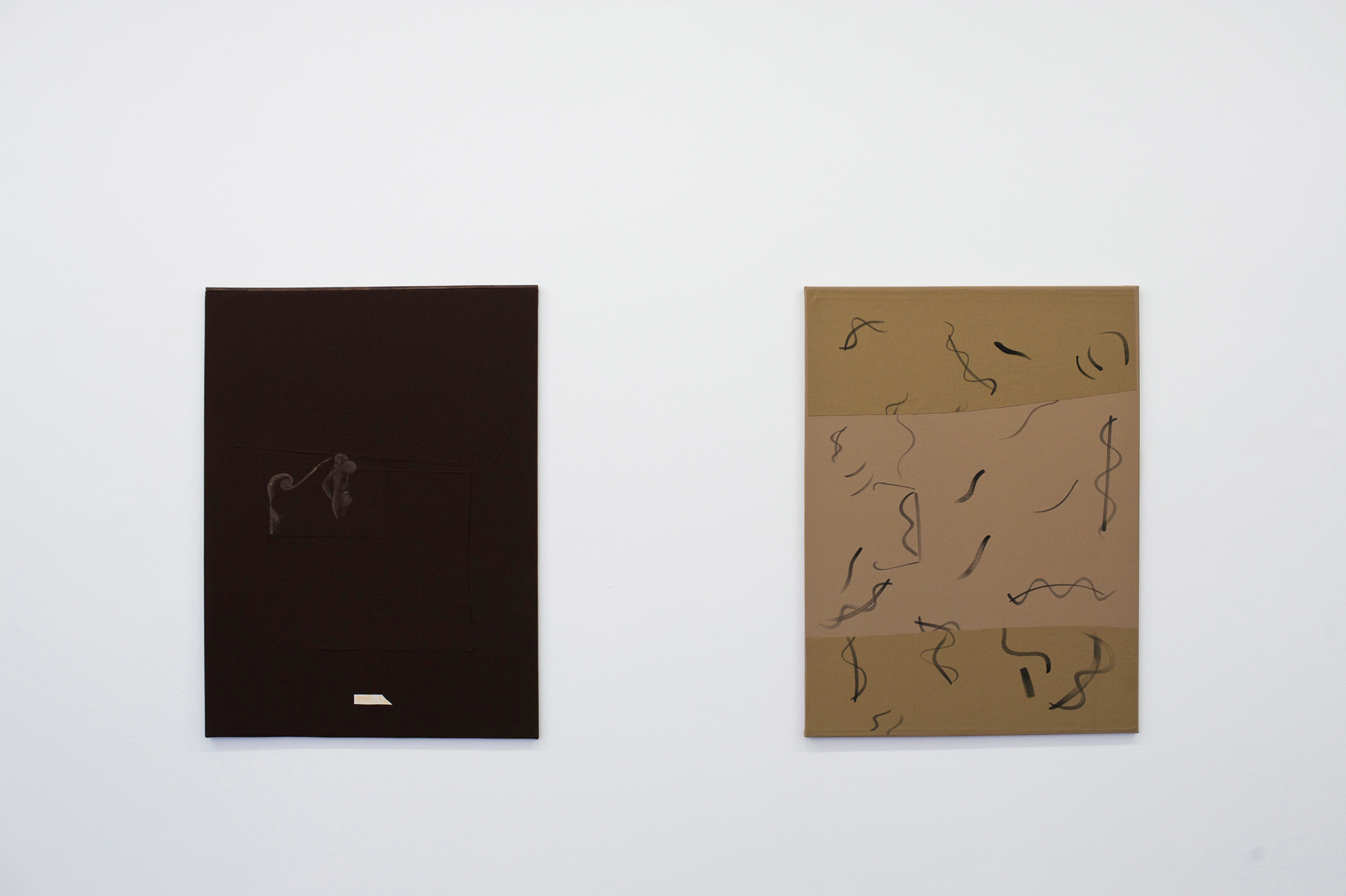
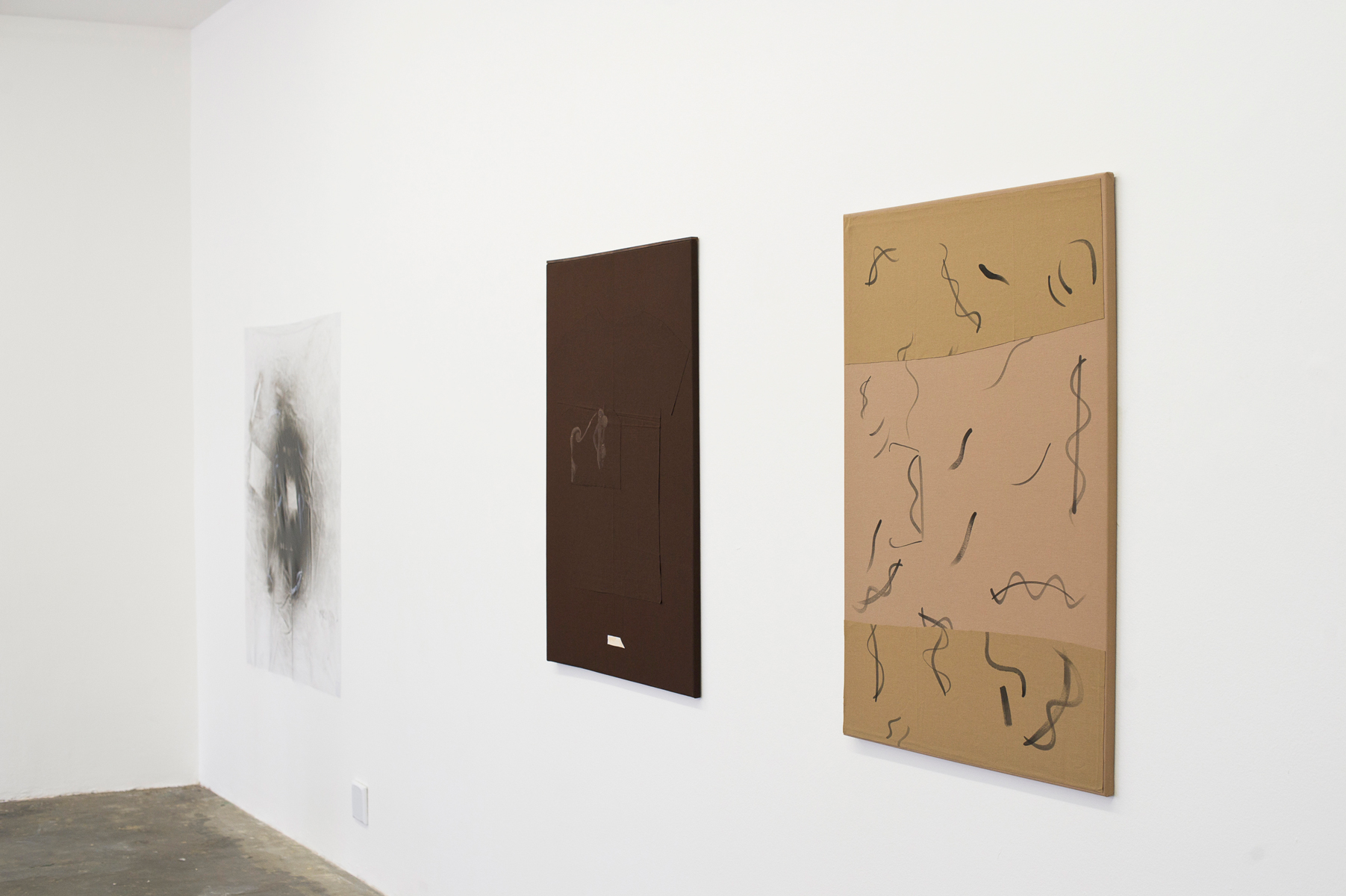



Talking about 12 Paintings
is a small group of works in between painting
and sculpture,
with slightly dishonest ambitions towards the performing arts,
and actively jealous of the written or spoken.
:( Picture it :)
,
please
is a small group of works in between painting
and sculpture,
with slightly dishonest ambitions towards the performing arts,
and actively jealous of the written or spoken.
:( Picture it :)
,
please
